
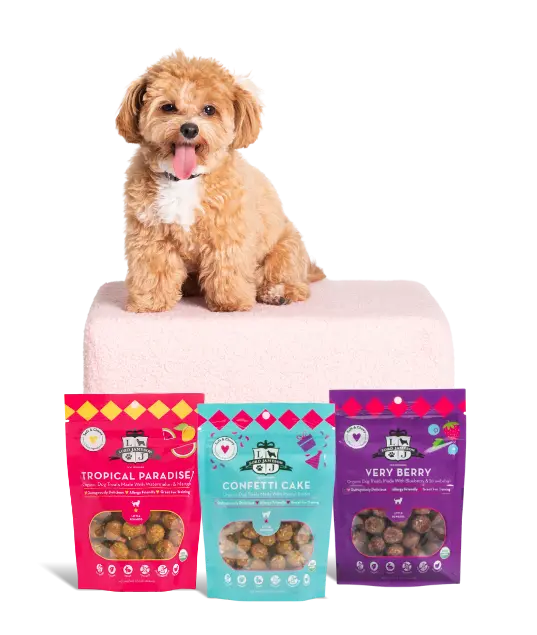
Best Treats for Teething Puppies: Safe and Soothing Options
There are few things quite as adorable, or quite as mischievous, as a teething puppy! One minute they're cuddling beside you, and the next they're enthusiastically chewing on your shoes, furniture, fingers or anything else they can get their little teeth around.
Teething is a normal part of puppyhood, but it can also be an uncomfortable time for your pup. As their baby teeth fall out and their adult teeth come in, puppies naturally look for things to chew. For us pet parents, this is often when finding appropriate treats becomes a little more important.
But what makes a treat suitable for a teething puppy? Should you choose something soft or crunchy? Can treats actually soothe sore gums? And how do you make sure your puppy isn't getting too many calories while you're using treats to reward good behavior?
At Lord Jameson, we believe puppy treat time should be enjoyable while keeping your little companion's individual needs in mind. With thoughtfully made recipes and a focus on wholesome ingredients, our treats can be part of a puppy's reward routine when chosen and portioned appropriately.
Understanding the Puppy Teething Stage
Puppies are born without visible teeth, but their baby teeth generally begin appearing when they're just a few weeks old. Over the following months, those baby teeth eventually make way for their adult teeth.
This is when you may notice your puppy chewing more than usual. Chewing is a natural behaviour for puppies, and it can also be a way for them to explore the world around them. During teething, your pup may seem particularly interested in anything they can put in their mouth.
You might notice other signs too, such as increased drooling, changes in eating habits or finding tiny baby teeth around the house.
Every puppy is different, so some will appear to breeze through teething while others may seem more bothered by it. If your puppy appears to be in significant pain, has difficulty eating, or has bleeding, if you notice anything unusual with their mouth, it's best to speak with your veterinarian.
What Makes a Good Treat for a Teething Puppy?
When choosing treats for a teething puppy, it's tempting to focus entirely on whether something feels satisfying to chew. But there's more to consider.
Choose an Appropriate Texture
Texture is especially important during the teething stage. A treat that is excessively hard may not be appropriate for a puppy with developing teeth, while a softer treat may be easier for them to eat. Soft treats can also be broken into smaller pieces, which gives you more control over portions. The right choice will depend on your puppy's age, teeth, chewing habits and individual needs.
Look at the Ingredients
Your puppy is still growing, so it's worth paying attention to what goes into their treats. Look for thoughtfully selected ingredients and avoid treating time as an opportunity to load your puppy up with unnecessary additions. At Lord Jameson, we believe pet parents should be able to see exactly what they're giving their pups, which is why we share our ingredients openly.
Our USDA Organic dog treats are made with thoughtfully selected ingredients, giving pet parents a simple way to be more intentional about what goes into their puppy's treat routine.
Consider the Size
Puppies come in all shapes and sizes, so a treat that's appropriate for a larger puppy may not be the right size for a tiny pup.
Smaller pieces can make rewards easier to manage, particularly during training. If you're using a soft treat, breaking it into appropriately sized pieces can also help you give several rewards without handing over multiple whole treats.
Keep Calories in Check
Puppies need plenty of nutrition to support their growth, but treats aren't a replacement for their complete puppy food.
If you're training your puppy throughout the day, those little rewards can quickly add up. Keep track of how many treats you're offering and adjust the amount based on your puppy's overall diet and your veterinarian's guidance.

Are Soft Treats Better for Teething Puppies?
Soft treats can be a practical option for puppies who are going through teething. Because they're easier to chew than very hard treats, they may be more comfortable for a puppy whose mouth is feeling tender. They're also convenient during training because your puppy can generally eat them quickly before moving on to the next cue.
Another advantage is portion control. A soft treat can be broken into smaller pieces, allowing you to reward your puppy frequently without giving them a whole treat every time.
However, "soft" doesn't automatically mean "right for every puppy." Always consider the ingredients, size and feeding guidance, as well as your puppy's individual preferences.
What About Crunchy Treats?
Crunchy treats can also be enjoyable for dogs, but teething puppies require a little more consideration when it comes to texture.
A very hard treat that requires substantial force to break apart may not be suitable for a puppy with developing teeth. If you want to introduce a crunchy reward, make sure the product is appropriate for your puppy's age and size, and avoid anything excessively hard.
At Lord Jameson, our LOVE PUFFS™ range offers a light and crunchy texture rather than the dense hardness associated with some traditional chews. Made with organic sorghum and other thoughtfully selected ingredients, they can provide variety in a dog's treat routine.
For a young puppy who is actively teething, however, your veterinarian can help you determine whether a particular texture is appropriate.
Lord Jameson Treats for Puppy’s Happy Time
Teething doesn't mean your puppy has to miss out on reward time. In fact, those early months are often filled with training opportunities, from learning their name and responding to basic cues to practising good manners around the house.
Lord Jameson's range includes different textures and recipes that can be incorporated into a thoughtful reward routine.
Soft and Small Treats
Soft, smaller treats can be particularly convenient during puppy training because you can break them into even smaller pieces when needed.
This makes it easier to reward behaviours frequently while keeping individual portions small. It's also useful when your puppy is learning several new behaviours in the same session.
LOVE PUFFS™
For pet parents looking to introduce some texture variety, LOVE PUFFS™ are light and crunchy treats made with organic sorghum.
Their airy texture is different from a dense, hard chew, making them an option to consider as your puppy develops and becomes comfortable with different treat textures. Always choose treats according to your puppy's age, size and chewing ability.
Can Treats Actually Soothe a Teething Puppy?
This is where it's important to distinguish between providing something appropriate to eat and trying to treat teething discomfort.
A soft, puppy-appropriate treat may be easier for some teething puppies to eat than a very hard treat. The act of eating can also provide an enjoyable experience when your puppy is looking for something to put in their mouth. However, treats aren't a substitute for appropriate teething care and shouldn't be presented as a treatment for pain.
If your puppy seems uncomfortable, your veterinarian can recommend appropriate options for managing their teething stage. Never give your puppy human pain medication unless specifically instructed by a veterinarian.
Treats vs. Chews: They're Not the Same Thing
One of the most important things for new pet parents to understand is that a treat and a chew serve different purposes. A small dog treat is generally intended to be eaten relatively quickly. A chew, on the other hand, is designed to encourage longer-lasting chewing.
If your puppy is desperately looking for something to chew on, simply giving them more treats isn't necessarily the answer. Appropriate puppy toys and veterinarian-approved chews can be more suitable for satisfying that natural chewing behavior.
Treats are best used for rewards, training and occasional moments of enjoyment rather than as a replacement for a chew toy.
Treats to Avoid During Teething
When your puppy is teething, you may want to avoid anything that is excessively hard or difficult to break.
Very hard objects can pose risks to developing teeth, particularly if your puppy is an enthusiastic chewer. You should also be cautious with treats that are too large for your puppy or that could become a choking hazard.
Human foods aren't automatically safe just because they're soft. Foods containing chocolate, grapes or raisins, xylitol and such are toxic ingredients for them and should never be given to dogs.
And remember that "natural" doesn't necessarily mean appropriate for every puppy. Always check the ingredients and choose products made specifically for dogs.
How to Give Treats to a Teething Puppy
Start With Small Portions
Puppies have smaller bodies and different nutritional needs from adult dogs. Start with a small piece and see how your puppy handles it.
Supervise Treat Time
Don't simply hand your puppy a new treat and walk away. Watch how they chew and eat it, particularly when introducing a new texture or product.
Introduce One New Treat at a Time
If you're changing your puppy's treat routine, introducing one new recipe at a time can make it easier to notice how your puppy responds. This is especially useful if your puppy has a sensitive stomach or known food sensitivities.
Keep Fresh Water Available
Your puppy should always have access to fresh, clean drinking water, particularly when they're active and spending more time chewing and playing.
Don't Let Treats Replace Meals
Treats should complement your puppy's regular diet, not take its place. Their main food should provide the nutrition they need during this important growth stage.
Making Teething Time a Little Easier
The teething stage often feels chaotic when you're living through it. There may be more chewing, more mess and perhaps a few moments when you wonder whether your puppy will ever stop putting everything in their mouth!
But it really is just a stage. With appropriate puppy-safe toys, suitable treats, positive training and plenty of supervision, you can help your little companion get through it while building good habits along the way.
At Lord Jameson, we make USDA Organic dog treats with thoughtfully selected ingredients, giving pet parents wholesome options for rewarding their pups through every stage of life. We share our ingredients openly because we believe you should feel informed about the treats you're giving to a member of your family.
And when your teething puppy finally settles down after a busy day of exploring, learning and chewing, that little tail wag is all the reward you need.
FAQs
What treats are best for teething puppies?
Soft, appropriately sized dog treats can be a practical choice for teething puppies because they're generally easier to eat than very hard treats and can be broken into smaller portions. Always consider your puppy's age, size, chewing ability and individual dietary needs.
Can puppies have crunchy dog treats while teething?
Some puppies can have appropriately sized crunchy treats, but very hard treats should be avoided because developing teeth need extra care. Lord Jameson's LOVE PUFFS™ have a light, airy crunch rather than a dense, hard texture, but you should still consider whether they're appropriate for your individual puppy.
How many treats can I give my teething puppy?
There isn't one amount that is right for every puppy. Treats should remain a small part of their overall diet, with their main puppy food providing the nutrition needed for growth. Consider your puppy's size, age, activity level and overall diet, and ask your veterinarian for personalized guidance if you're unsure.
Read more

When summer arrives, watermelon becomes a familiar favorite for many of us. It is juicy, naturally sweet and wonderfully refreshing on a hot day. But has your furry friend ever shown you those big,...
Isn’t there something incredibly special about fall..? The cooler weather, changing leaves, cozy evenings and comforting seasonal flavors make it a favorite time of year for many of us, and our pup...