Soft vs Crunchy Dog Treats: Which Is Better for Your Dog?
Treat time is one of those little moments that can make your furry friend’s whole day! Whether you are rewarding good behavior, practising a new command or simply giving your pup a little something because, “why not?”, there is nothing quite like seeing that excited little smiley face when they know a treat is coming.
But when you are standing in front of a shelf full of options, you may wonder: should you choose soft or crunchy dog treats?
The answer is not quite as simple as picking one over the other. Both textures can have a place in your dog’s treat routine, and the better choice depends on your dog’s age, preferences, chewing ability, training needs and individual dietary considerations.
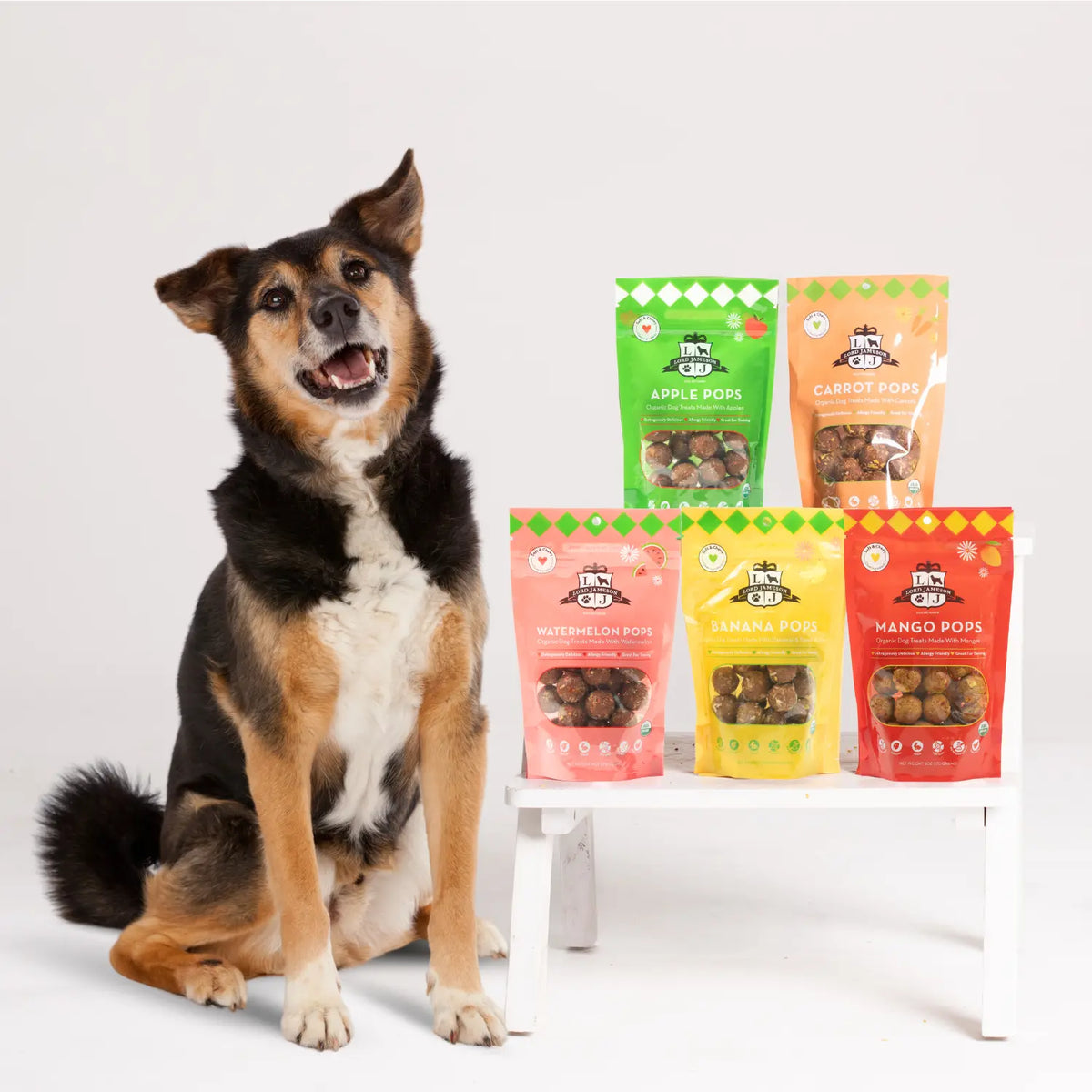
At Lord Jameson, we believe treats should be made with the same thought and care that pet parents put into choosing them. Our USDA Organic dog treats are crafted with thoughtfully selected ingredients and offered in different textures, so you can choose rewards that suit your furry companion.
What Is the Difference Between Soft and Crunchy Dog Treats?
The most obvious difference is texture, but that difference can affect how and when you use each type of treat.
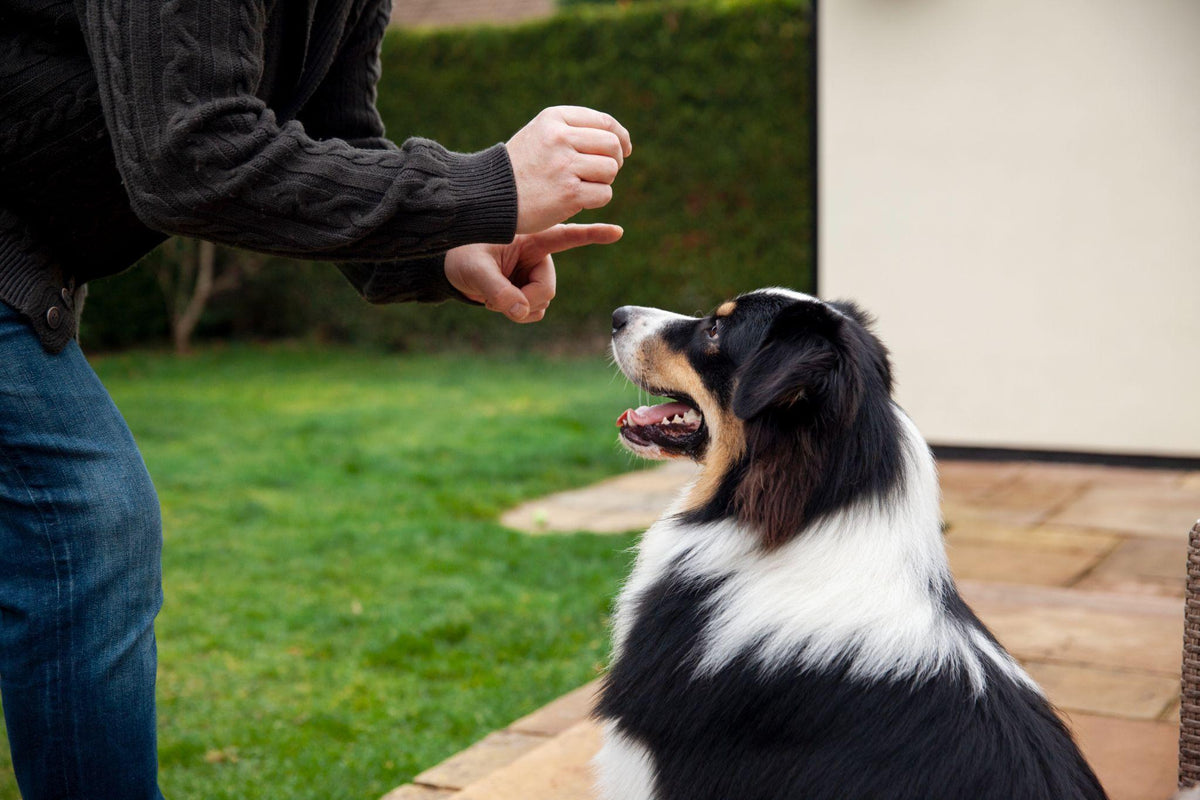
Soft dog treats tend to be easier and quicker for dogs to eat. They can be particularly useful during training because your dog can take the reward and get straight back to learning without spending a long time chewing.
Crunchy dog treats have a firmer texture and give dogs something to bite into. Some dogs simply prefer the experience of crunching their way through a treat, making these a satisfying choice for everyday rewards.
Neither texture is automatically better for every dog. Think about what your pup enjoys and what you are trying to achieve with the treat.
Why Choose Soft Dog Treats?
Soft treats can be especially practical for training and portion control.
Easy to Break Into Smaller Pieces
One of the biggest advantages of a soft treat is how easily you can portion it. If your dog wants several treats, you can break a soft treat into smaller pieces rather than offering a whole treat every time.
This can help you manage the quantity of food your dog receives while still giving them plenty of opportunities to earn a reward.
Quick to Eat During Training
Training works through repetition, which means your dog may receive quite a few rewards in a single session. A soft treat is generally quick for your dog to eat, allowing you to move on to the next cue without waiting for them to finish a crunchy snack.
This makes soft treats a convenient option when you are teaching new behaviours or reinforcing commands your dog is still learning.
Helpful for Dogs With Different Chewing Needs
Some dogs may find softer textures easier to manage than firm treats. This can be particularly relevant for older dogs or dogs with dental or chewing considerations.
If your dog has a dental condition or difficulty chewing, speak with your veterinarian about which treat textures are appropriate for them=
Why Choose Crunchy Dog Treats?
Crunchy treats bring something different to the table, literally.
A Satisfying Texture
Some dogs love a good crunch. The texture can make a treat feel more engaging, particularly for pups who enjoy biting and chewing their treats.
Great for Everyday Rewards
Crunchy treats can be a simple option for everyday moments. You might offer one during training and exercises or even during a quiet moment together.
Lord Jameson’s LOVE PUFFS™ are a light and crunchy option made with organic sorghum, an ancient naturally gluten-free grain. Their texture makes them easy to enjoy as part of your dog’s everyday reward routine.
A Different Sensory Experience
Dogs experience food through more than flavor alone. Texture, aroma and the way a treat feels when they bite into it can all contribute to the experience.
That is why having different textures available can help keep treat time interesting, particularly if your dog has a clear preference for either soft or crunchy rewards.
Soft vs. Crunchy Dog Treats for Training
If you are choosing treats specifically for training, texture can make a noticeable difference to how practical the reward is.
Soft treats often have an advantage because they can be broken into very small pieces and eaten quickly. This is particularly useful when you need to reward your dog repeatedly during a session.
For example, if your pup is learning to walk calmly on a lead, you may need to reinforce good behavior several times within a short period. Using smaller pieces allows you to reward each success without giving a full-sized treat every time.
Crunchy treats can still work well for training, particularly when your dog finds them highly motivating. The important thing is to keep the pieces appropriately sized and consider how many treats your dog receives throughout the session.

What About Puppies?
Puppies can enjoy treats as part of positive reinforcement, but their individual chewing abilities and dietary needs should be considered.
A soft texture may be easier for some puppies to manage, particularly during early training when you want rewards to be quick and easy to eat.
Regardless of texture, treats should be appropriately sized and given in moderation. Puppies have different nutritional requirements from adult dogs, so treats should complement rather than replace their complete and balanced puppy diet.
What About Older Dogs?
As dogs get older, their chewing preferences may change. Some senior dogs may continue to enjoy crunchy treats, while others may find softer textures more comfortable.
If your older dog has dental problems, missing teeth or difficulty chewing, a softer treat would be easier for them. However, any noticeable change in your dog's ability to chew or eat should be discussed with your veterinarian. The right choice is ultimately the one that your dog can comfortably and safely enjoy.
How Ingredients Matter More Than Texture
It is easy to focus on whether a treat is soft or crunchy, but texture is only one part of the decision. The ingredients matter too.
At Lord Jameson, we believe pet parents should know exactly what they are giving their dogs. Our recipes are made with thoughtfully selected ingredients, including fruits, vegetables, organic grains, dairy products and other carefully chosen recipe components, depending on the treat.
We also openly share our ingredients so pet parents can make informed choices based on their dog's individual needs, sensitivities and preferences.
Choosing a treat is therefore not simply about asking, “Is it soft or crunchy?” It is also worth asking, “What is it made from, and is it right for my dog?”
How to Choose Between Soft and Crunchy Treats
Still not sure which one to reach for? Start by thinking about your dog's routine.
Choose soft treats if:
-
You are doing frequent training sessions.
-
You want to break treats into smaller pieces.
-
Your dog prefers softer textures.
-
You need a reward that is quick to eat.
-
Your dog has chewing considerations and your veterinarian agrees that soft treats are appropriate.
Consider crunchy treats if:
-
Your dog enjoys firm, crunchy textures.
-
You are looking for an everyday reward.
-
Your dog comfortably handles crunchy food.
-
You want to offer some texture variety during treat time.
And there is no rule saying you have to stick with just one. You can choose different textures for different situations, depending on what works best for your pup.
Keep Portion Size in Mind
Whether a treat is soft or crunchy, moderation still matters. It can be easy to lose track of how many rewards your dog receives, particularly when treats are being used for training. Smaller portions can help you reward good behavior without unnecessarily increasing your dog's daily calorie intake.
Soft treats have a particular advantage here because they can often be broken into smaller pieces. Crunchy treats can also be portioned appropriately depending on their size and your dog's needs.
If your dog is managing their weight or has specific health or dietary requirements, your veterinarian can help you determine an appropriate treat routine.
Let Your Dog's Preferences Guide You
So, soft or crunchy, which is better..?
There is no one-size-fits-all answer! The best dog treat is one that suits your pup's individual needs, preferences and routine while fitting comfortably into their overall diet.
Soft treats can be wonderfully practical for training, especially when you need to make smaller pieces and offer frequent treats. Crunchy treats can provide a satisfying texture for dogs who love a good bite.
At Lord Jameson, we create USDA Organic dog treats with thoughtfully selected ingredients and different textures to give pet parents options without losing sight of what matters most: making treat time enjoyable and considered.
Because sometimes your dog will have a very strong opinion about which one is better, and they will probably be more than happy to demonstrate it when the treat bag comes out.
FAQs
Are soft or crunchy treats better for dogs?
Neither texture is universally better. Soft treats can be useful for training because they are easy to eat and break into smaller pieces, while crunchy treats can be a satisfying everyday reward for dogs who enjoy a firmer texture. Your dog’s preferences, chewing ability and individual needs should guide your choice.
Are soft treats better for dog training?
Soft treats can be particularly convenient for training because they are quick to eat and easy to break into smaller portions. This allows you to treat frequently while keeping the amount of food given during a training session more manageable.
Can dogs have both soft and crunchy treats?
Yes, dogs can enjoy different treat textures as part of a balanced routine, provided the treats are appropriate for them and given in moderation. Offering both can also add variety to treat time and let you choose a texture based on the occasion.