




How to Feed Multiple Dogs Without Stress or Food Fights: Complete Multi-Dog Household Guide
Understanding Multi-Dog Feeding Challenges
Mealtime should be one of the happiest moments of your dog’s day, but if you share your home with more than one pup, it can quickly turn into a source of stress. Multi-dog households often face challenges such as competition for food, guarding behavior, and the occasional scuffle that leaves both pets and their owners uneasy.
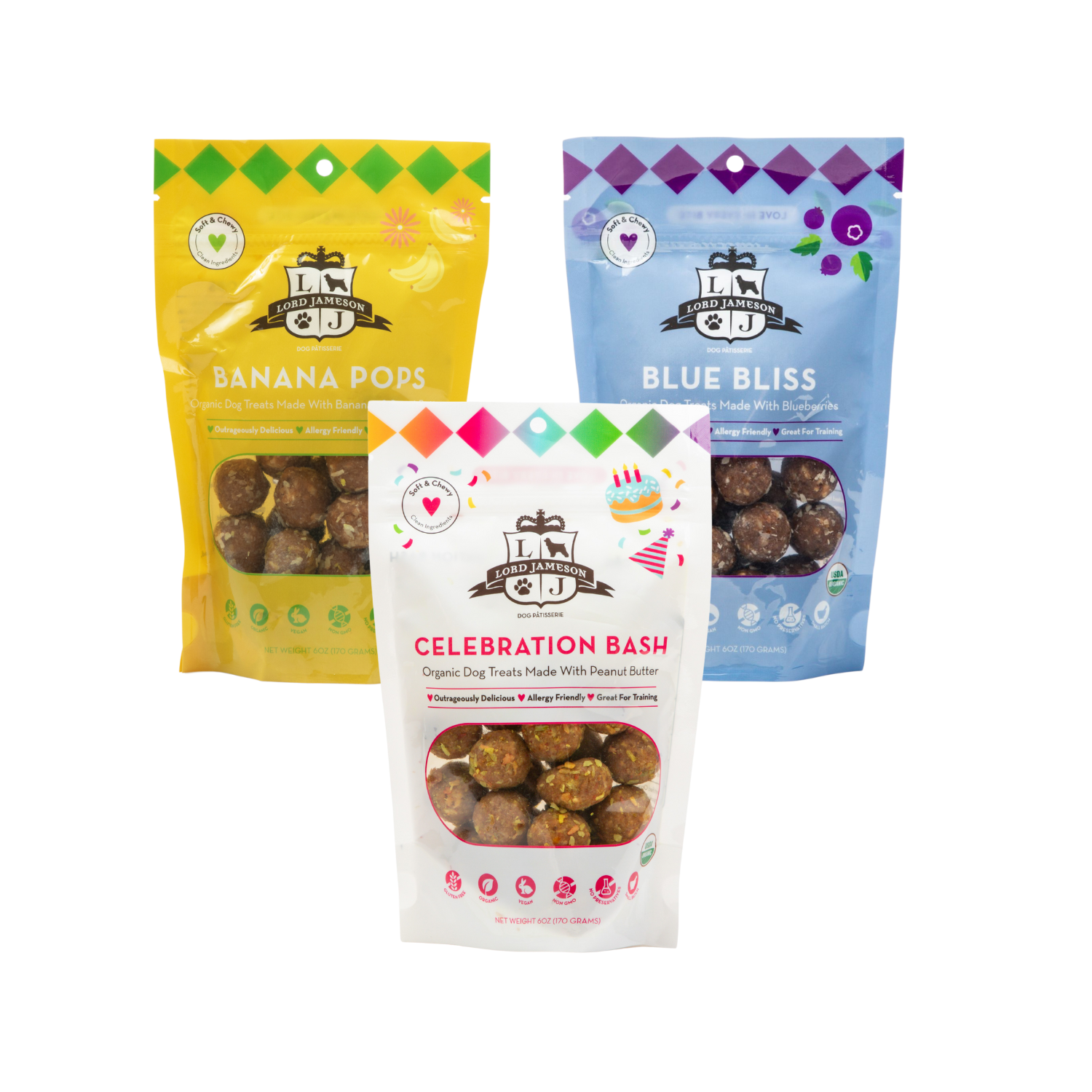
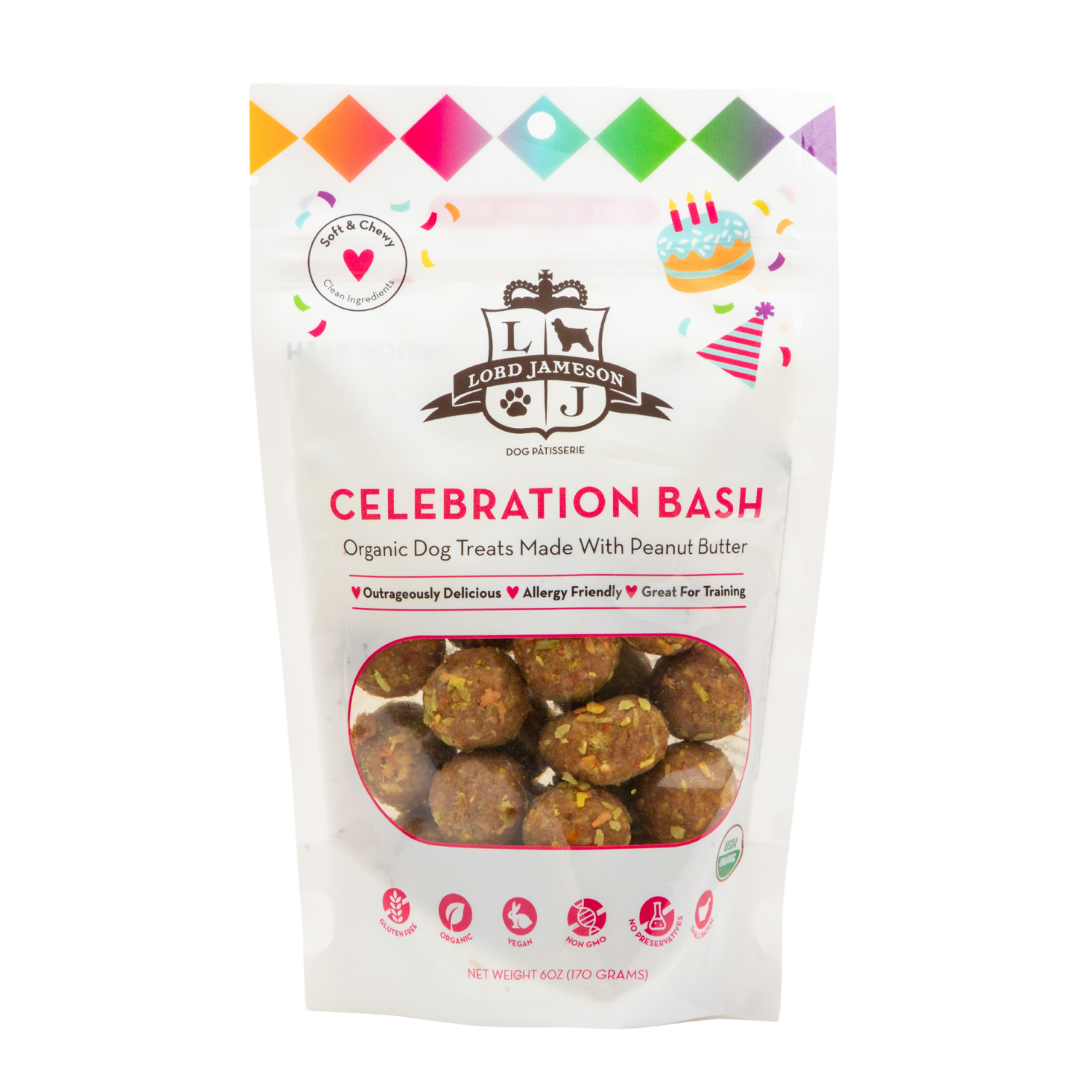
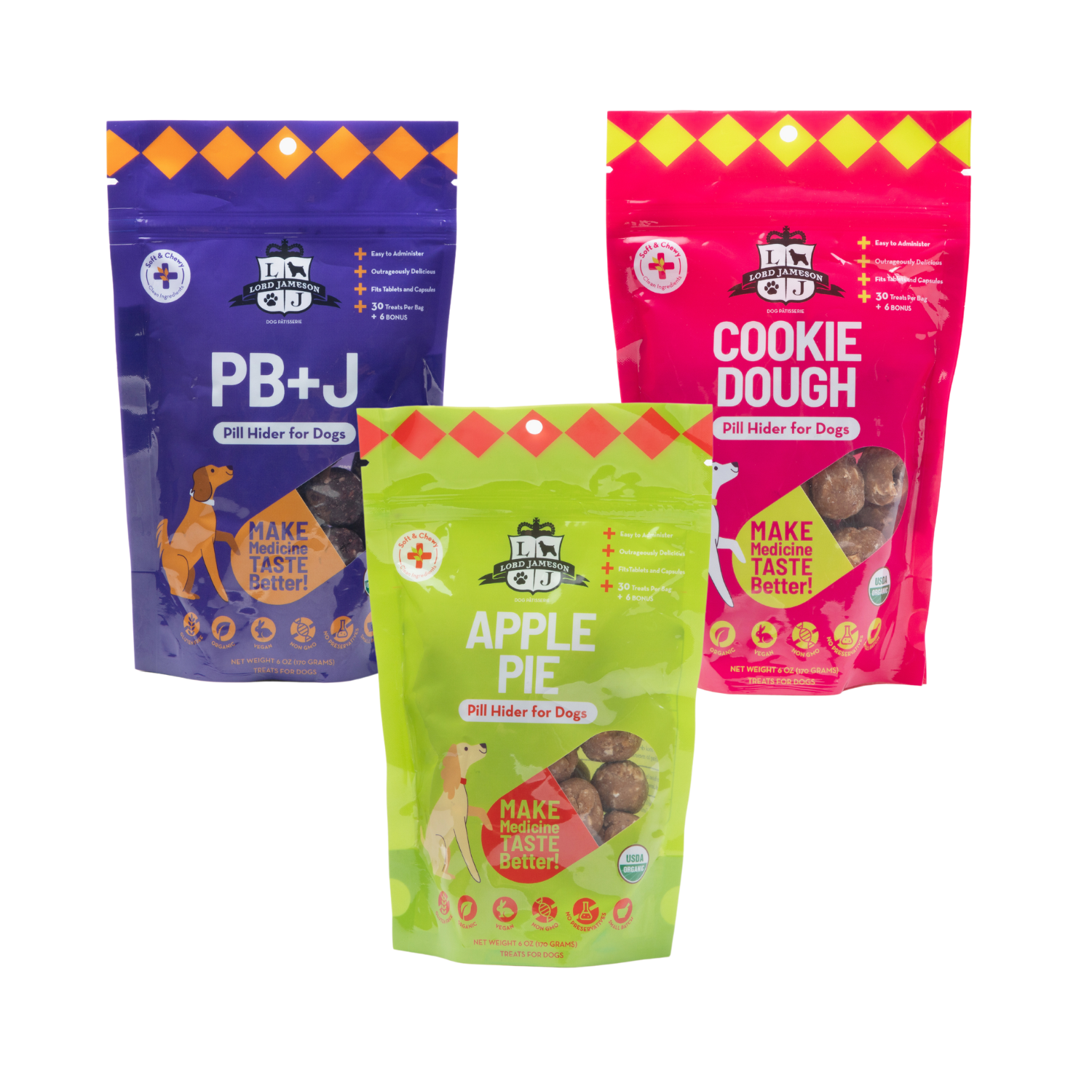
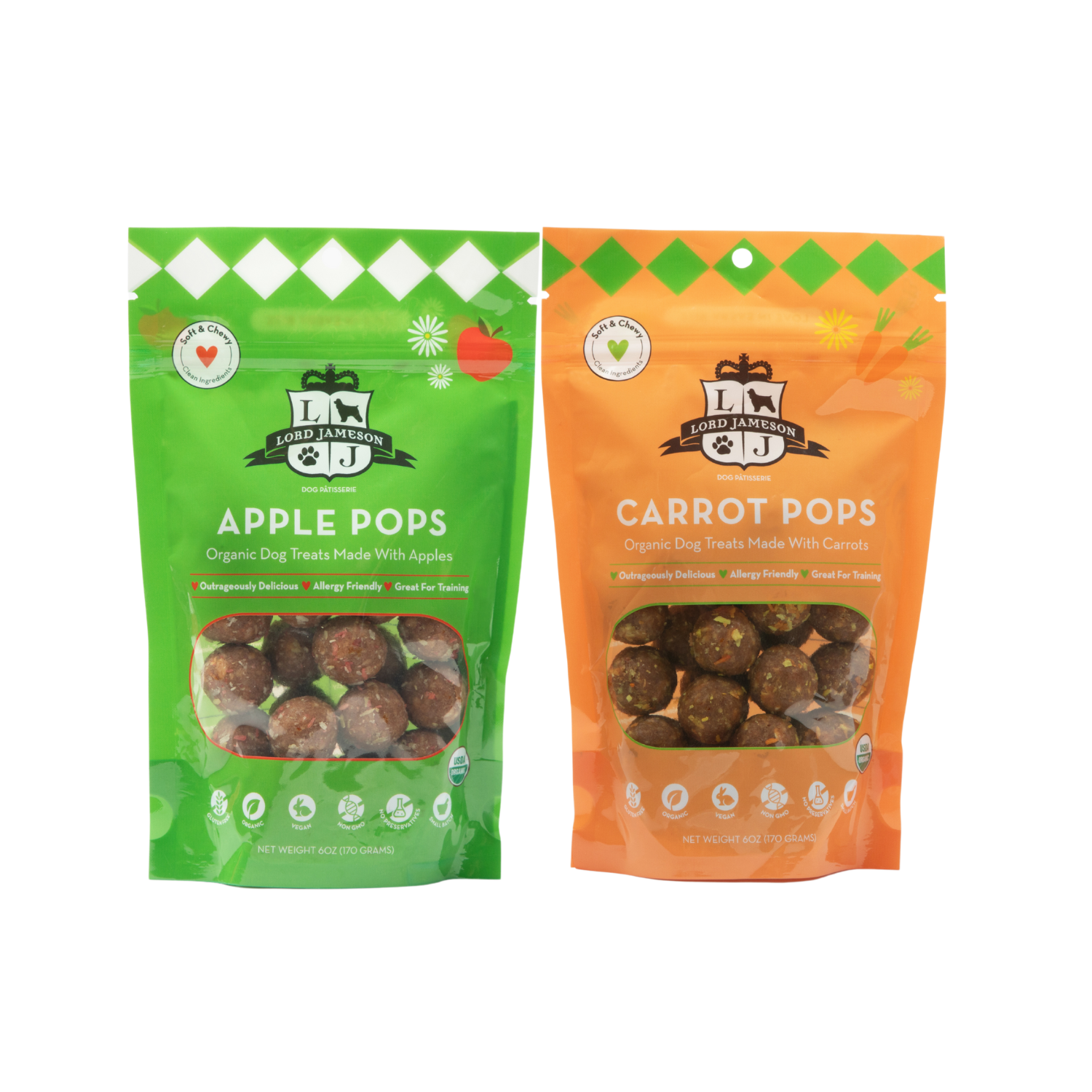
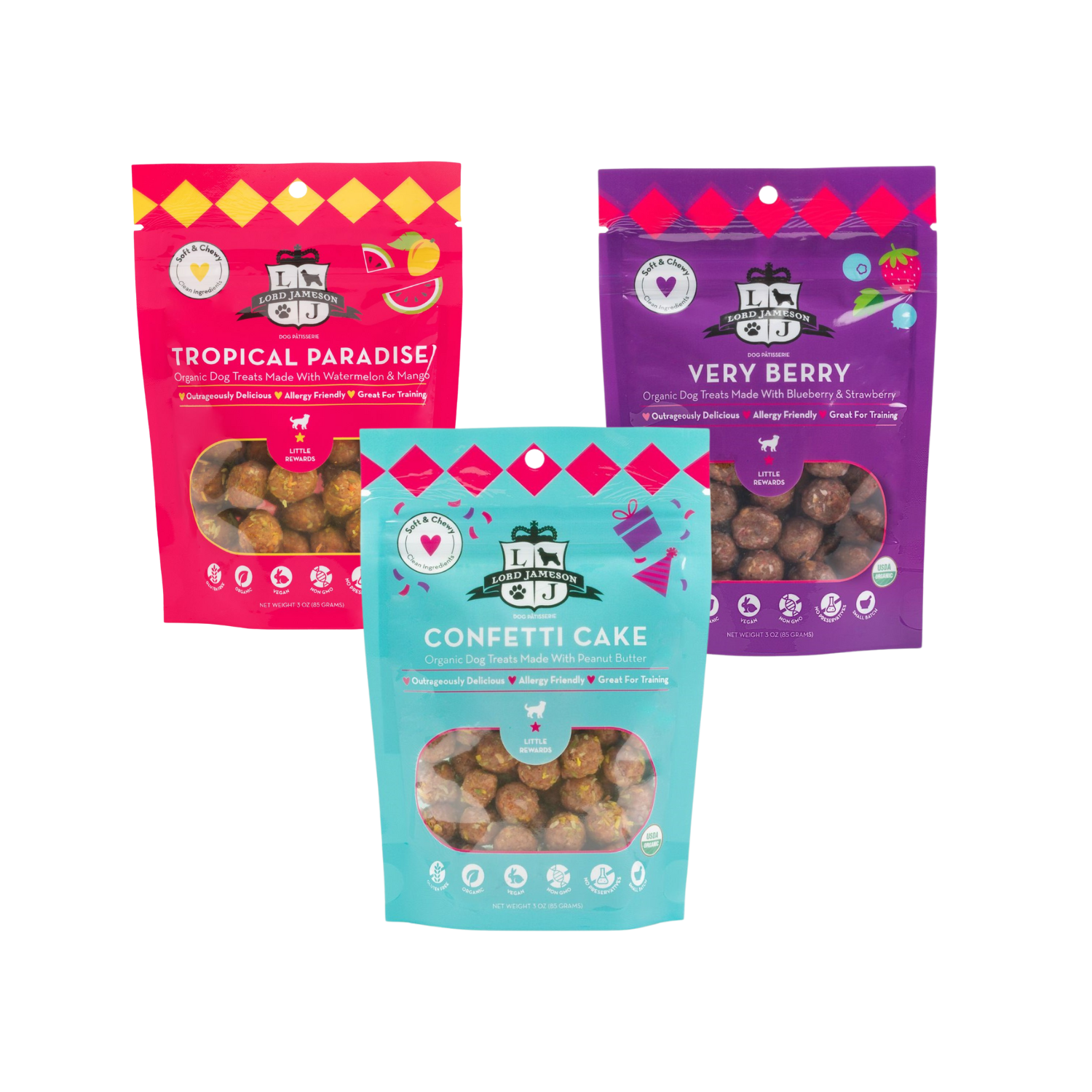
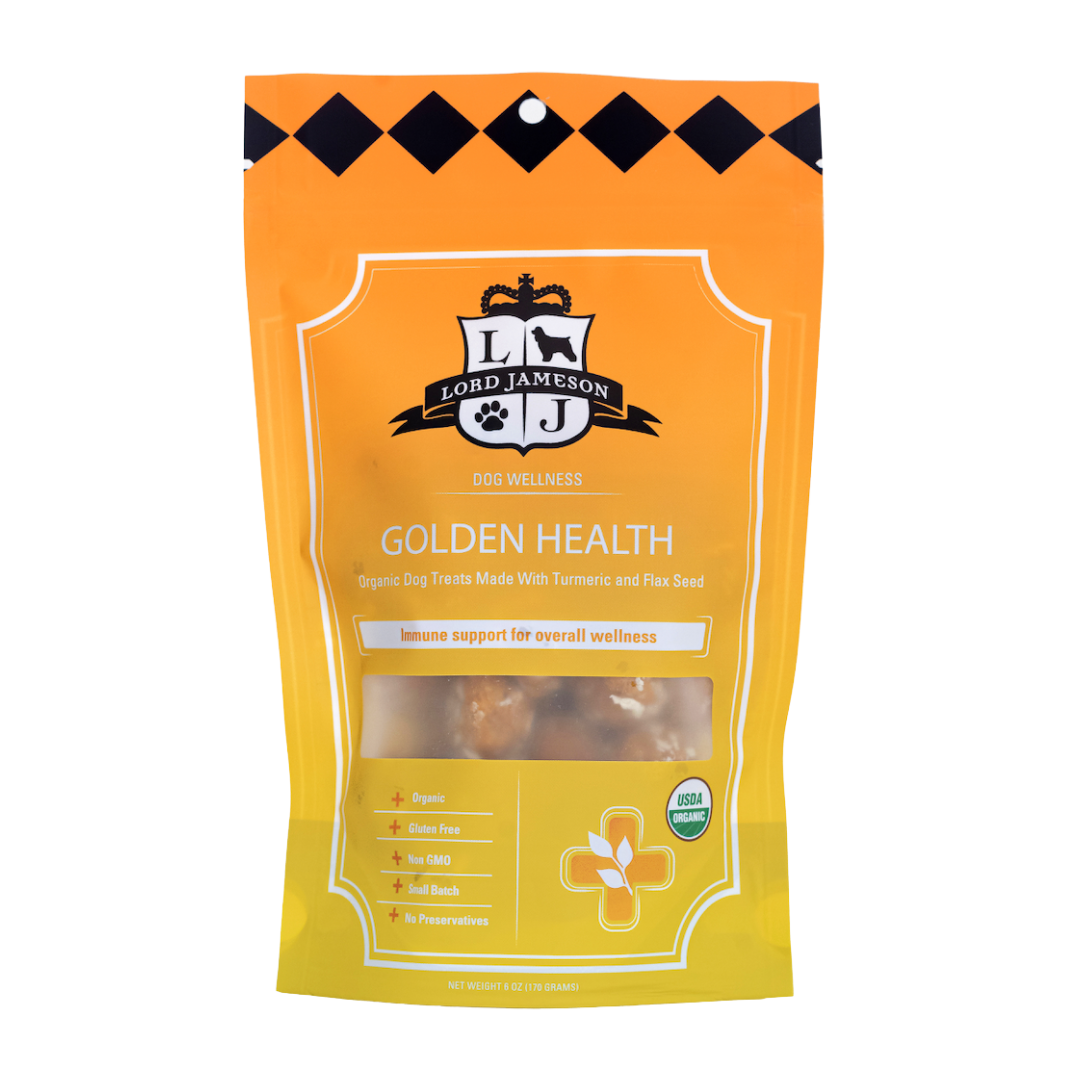
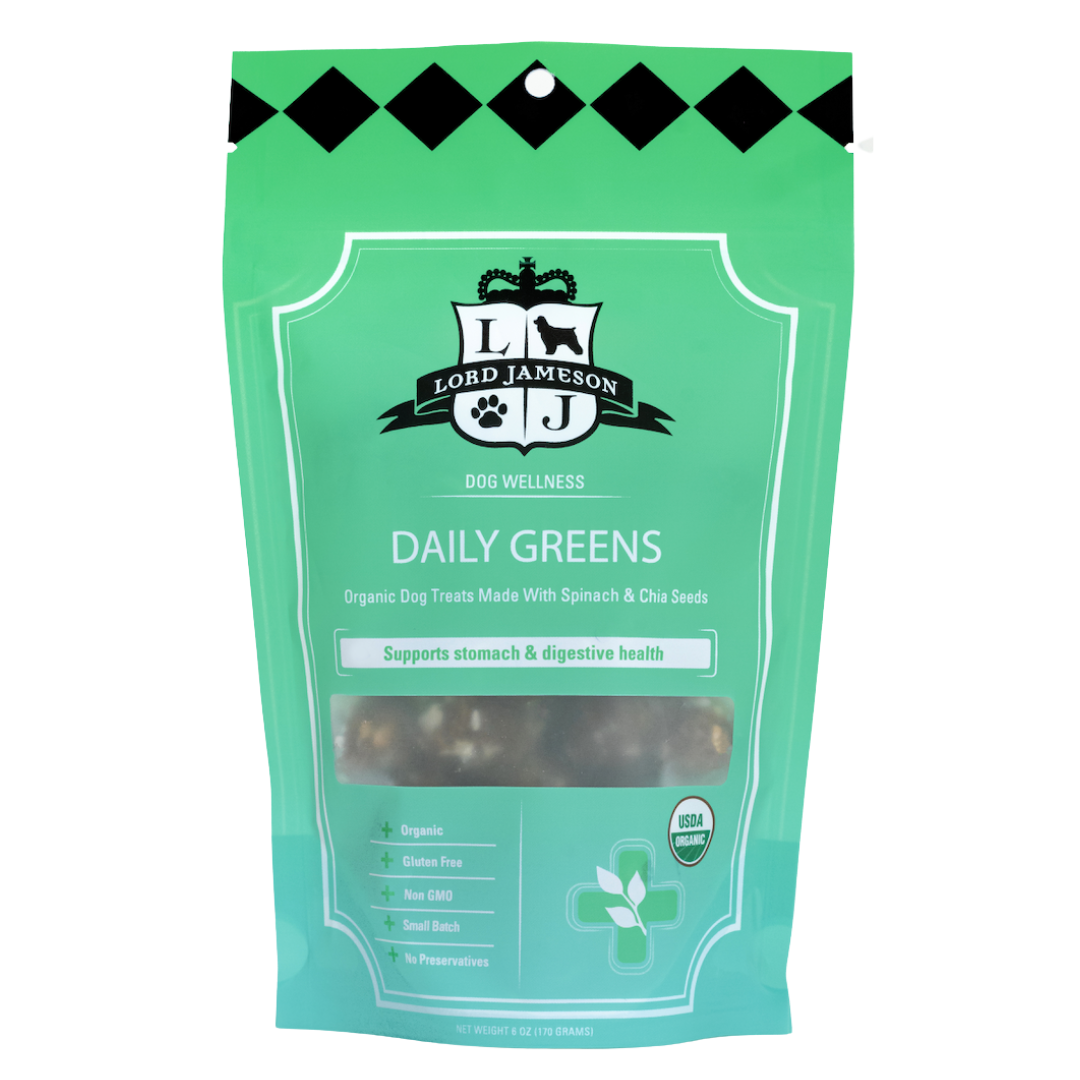
Best Seller Collection Bundle
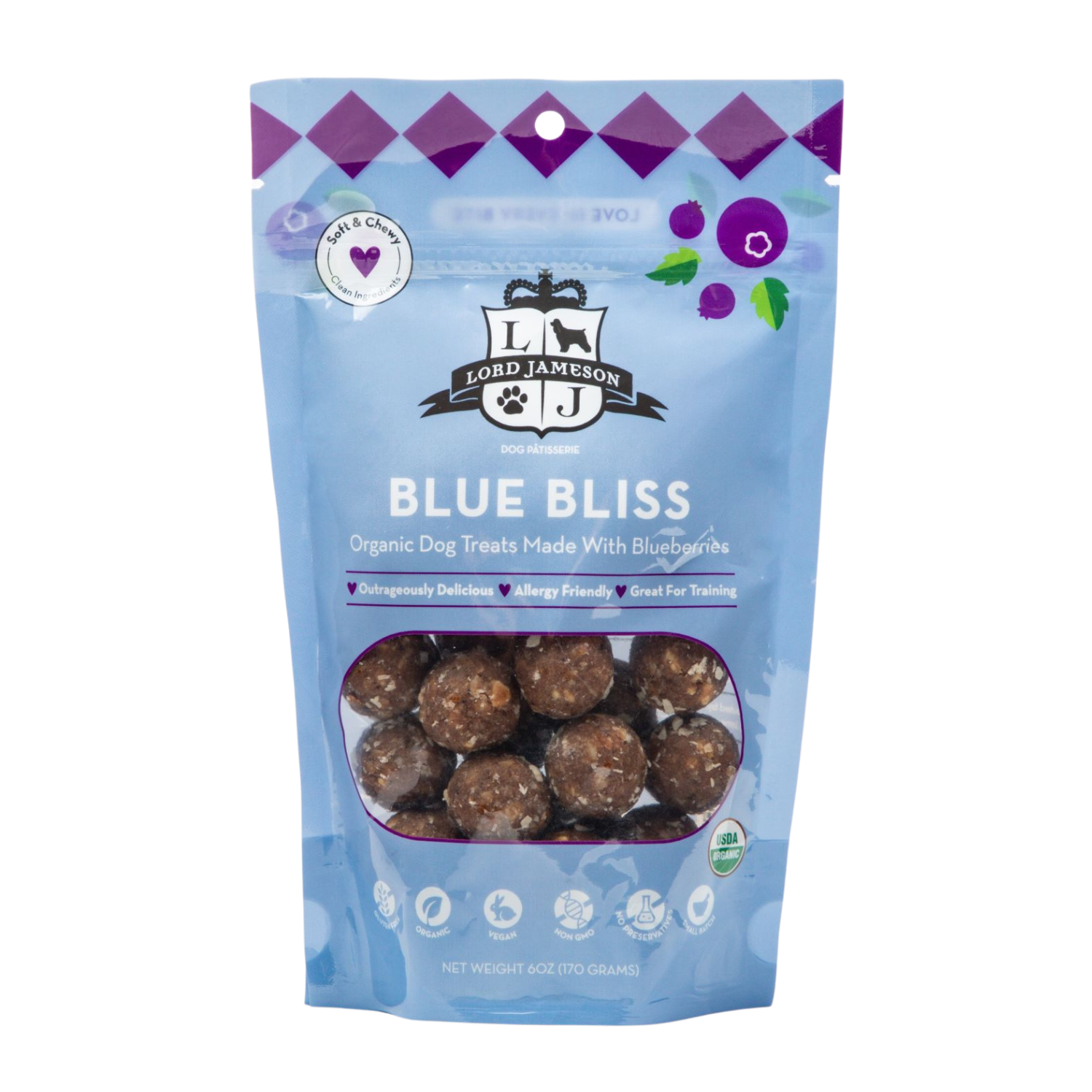
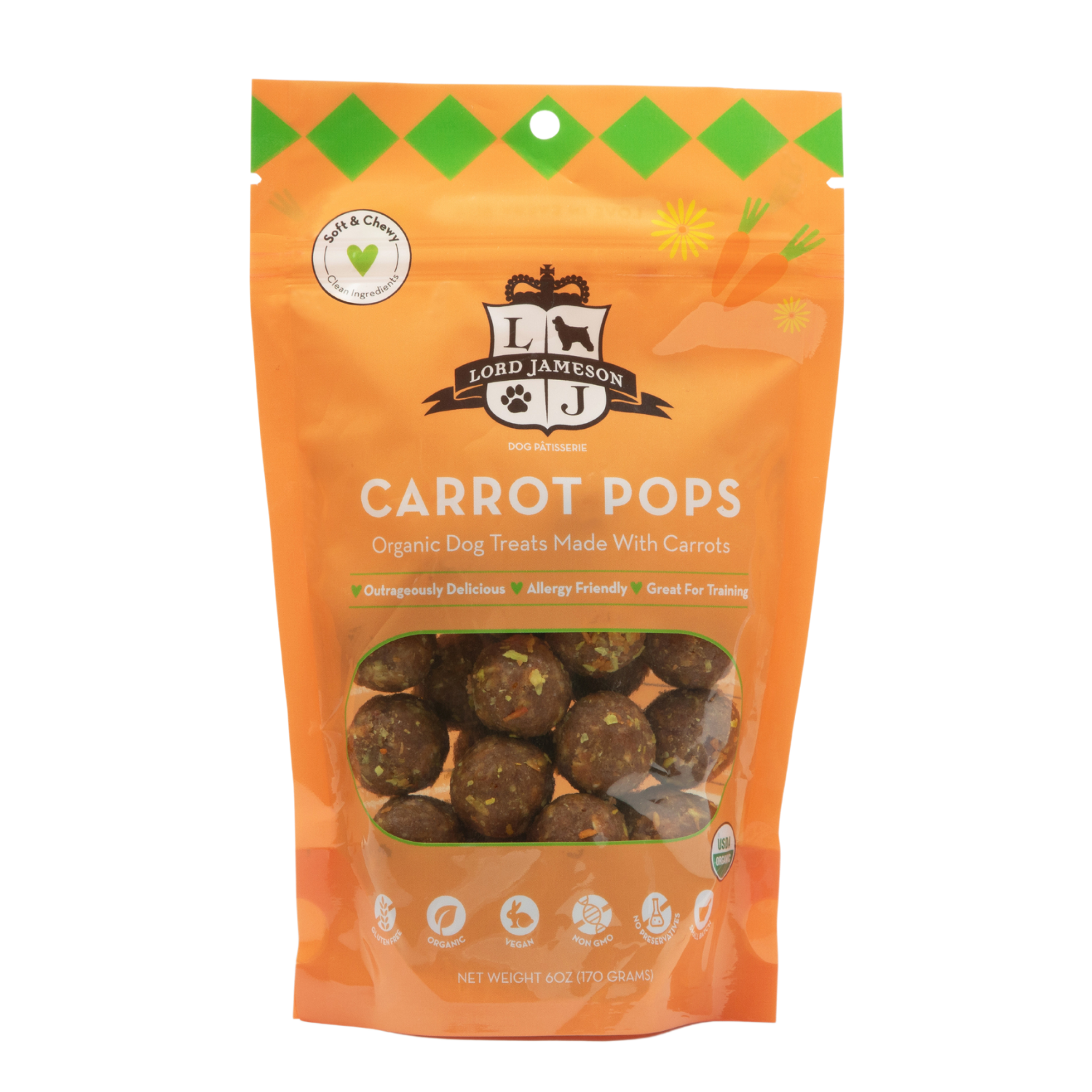
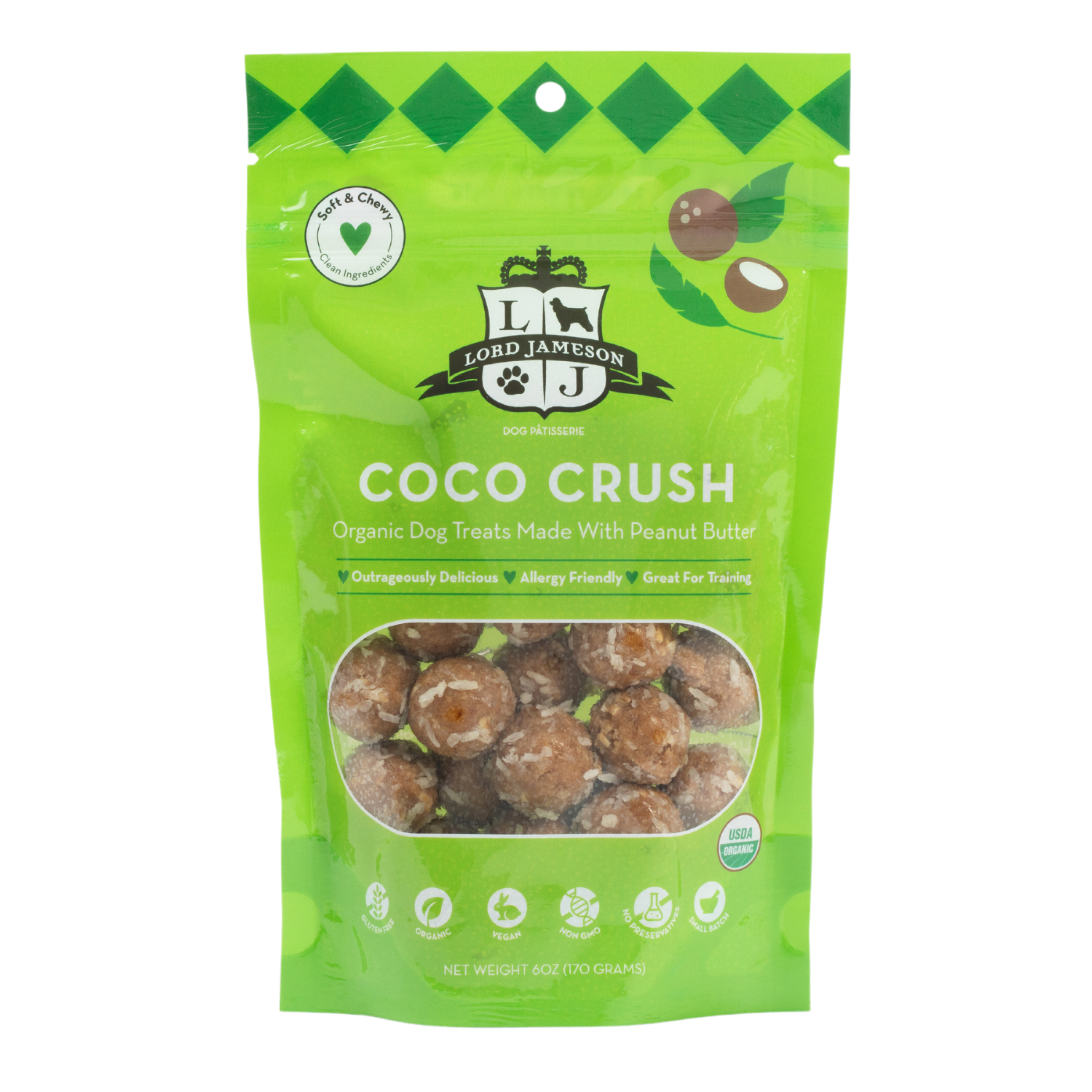
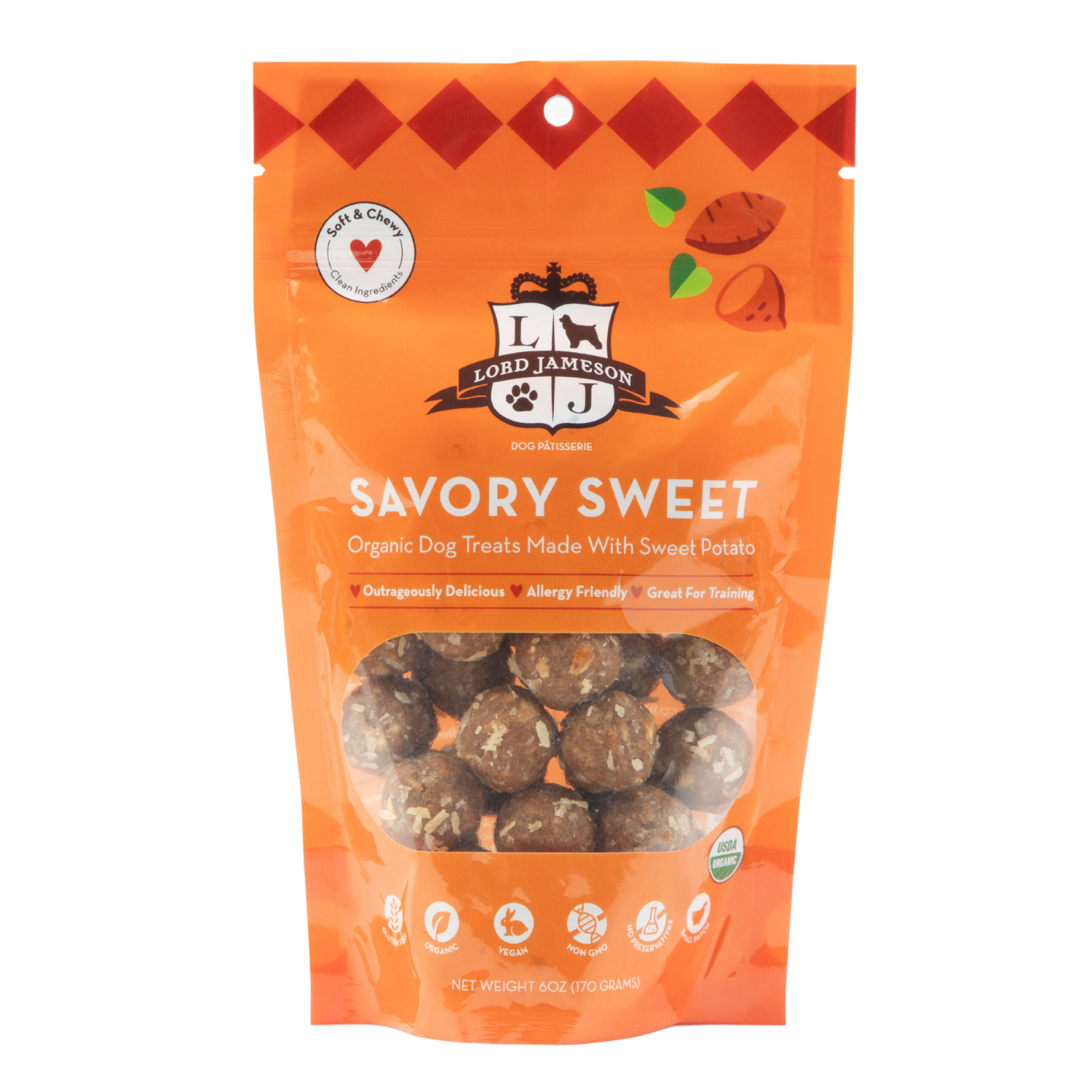
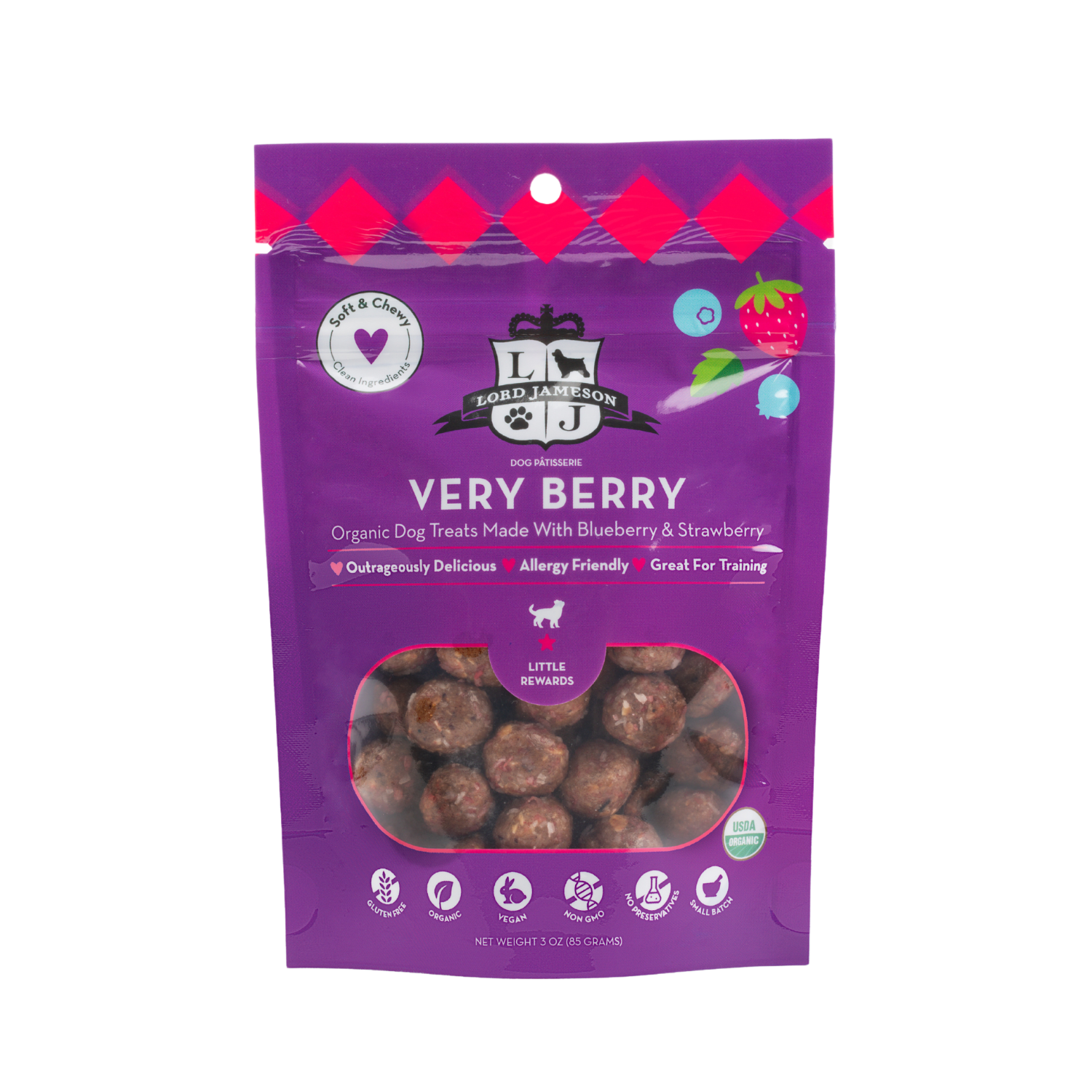
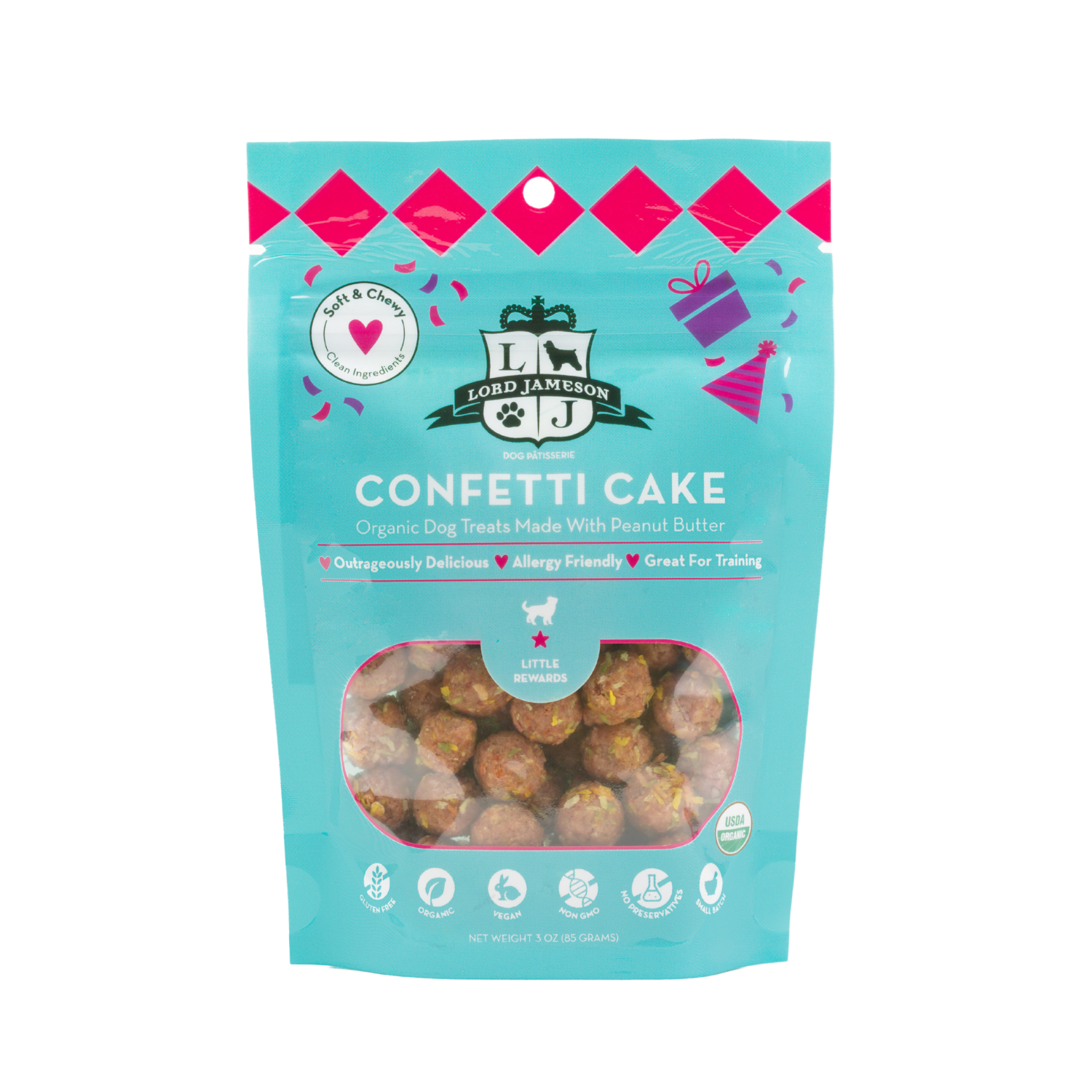
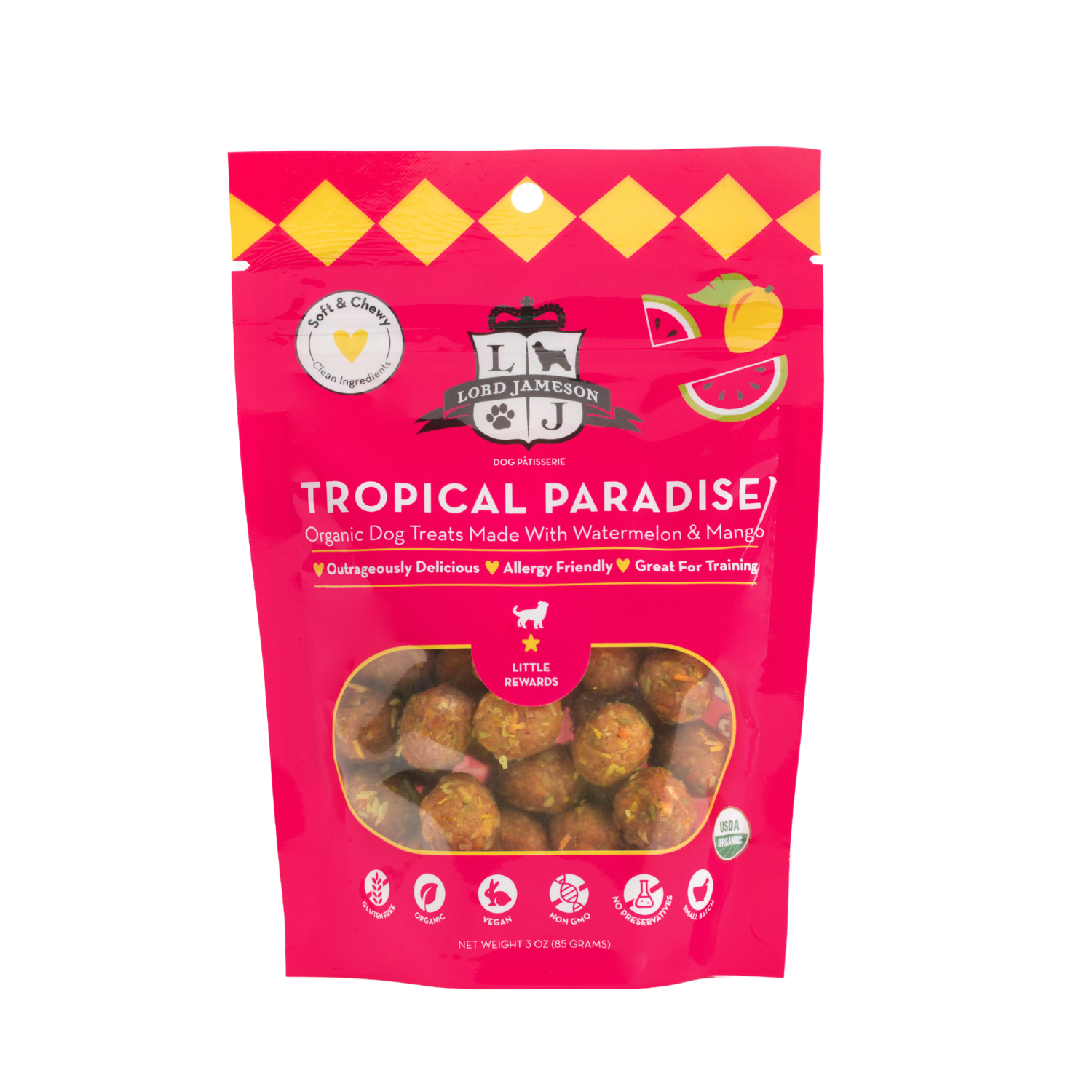
Top Organic Treats · USDA Certified
The truth is, dogs are naturally wired to protect their resources, and food is one of the most valuable ones. Without the right strategy, what should be a calm daily routine can become a moment of tension, raising anxiety levels for your pets and even affecting their overall health, especially if one of the furry friends is an alpha.
The good news? With the right approach, you can create a peaceful, safe mealtime environment where every pup feels secure, nourished, and loved. At LORD JAMESON®, we prioritize the wellness of our furry companions. Today, we are exploring the most common feeding challenges in multi-dog homes and sharing practical solutions to make mealtime stress-free for everyone.
Essential Strategies for Peaceful Multi-Dog Feeding
The secret to stress-free mealtimes in a multi-dog household often comes down to structure and boundaries. When each dog has a safe, predictable spot to eat, the chances of tension, guarding, or fights drop dramatically. Here’s how to make it work in your home:
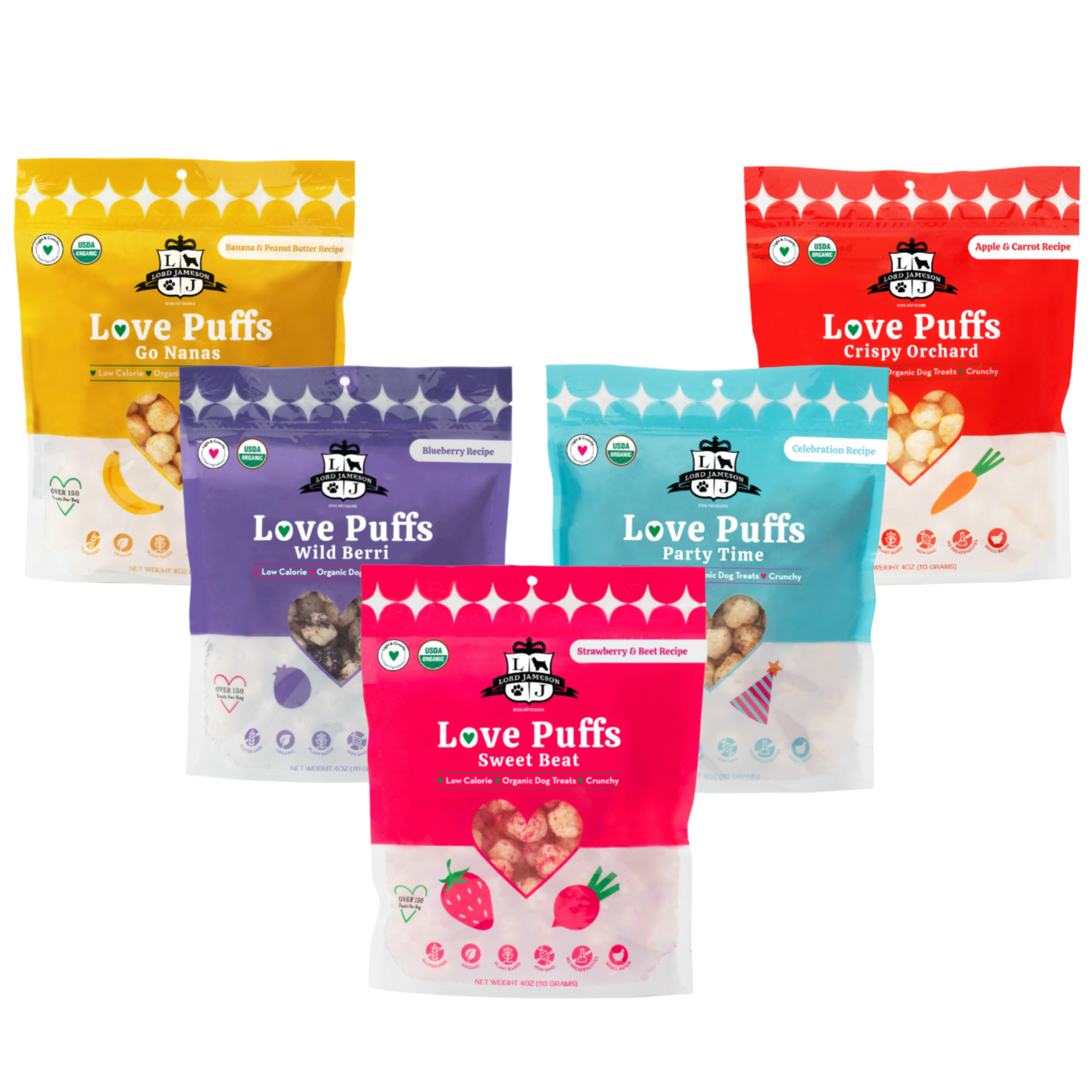
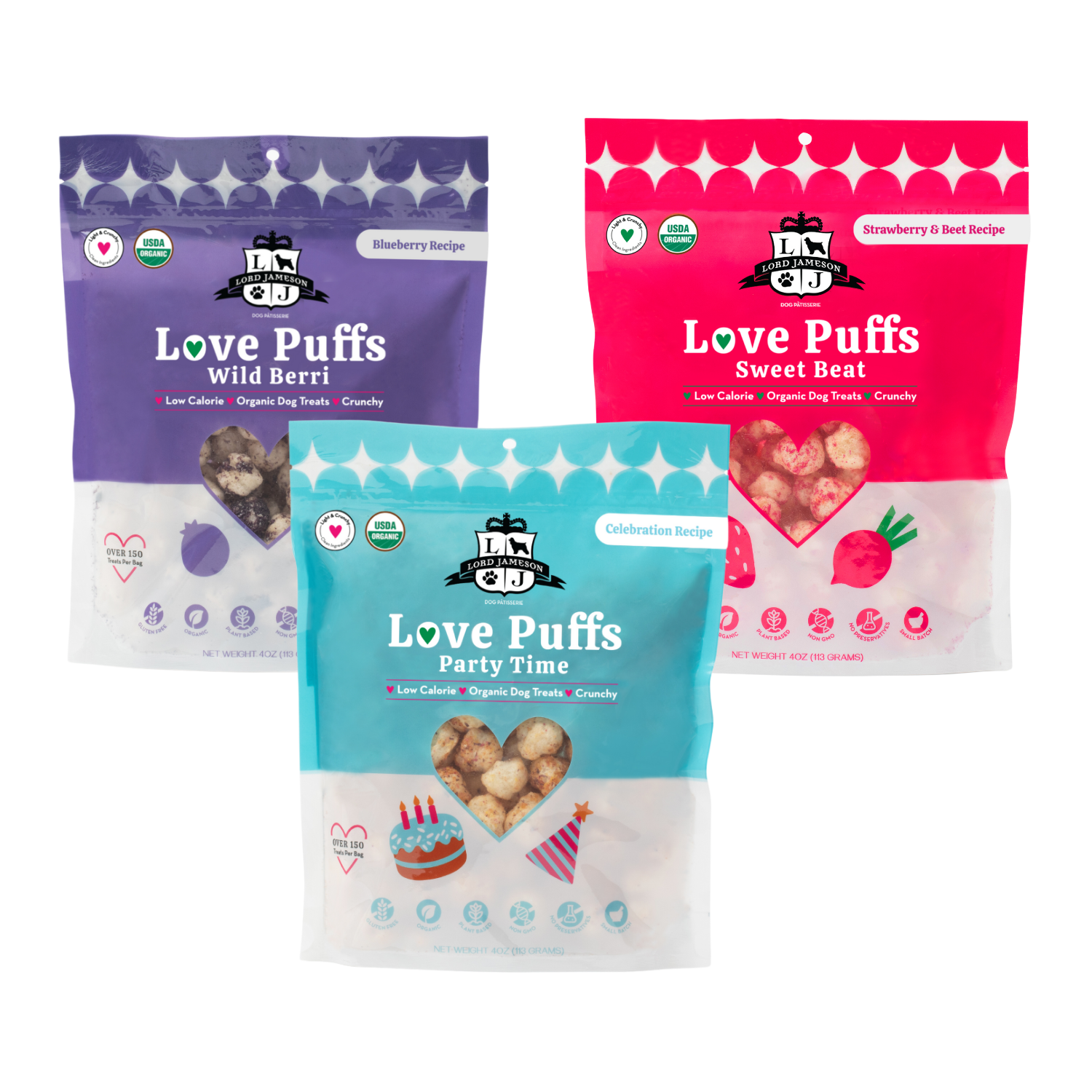
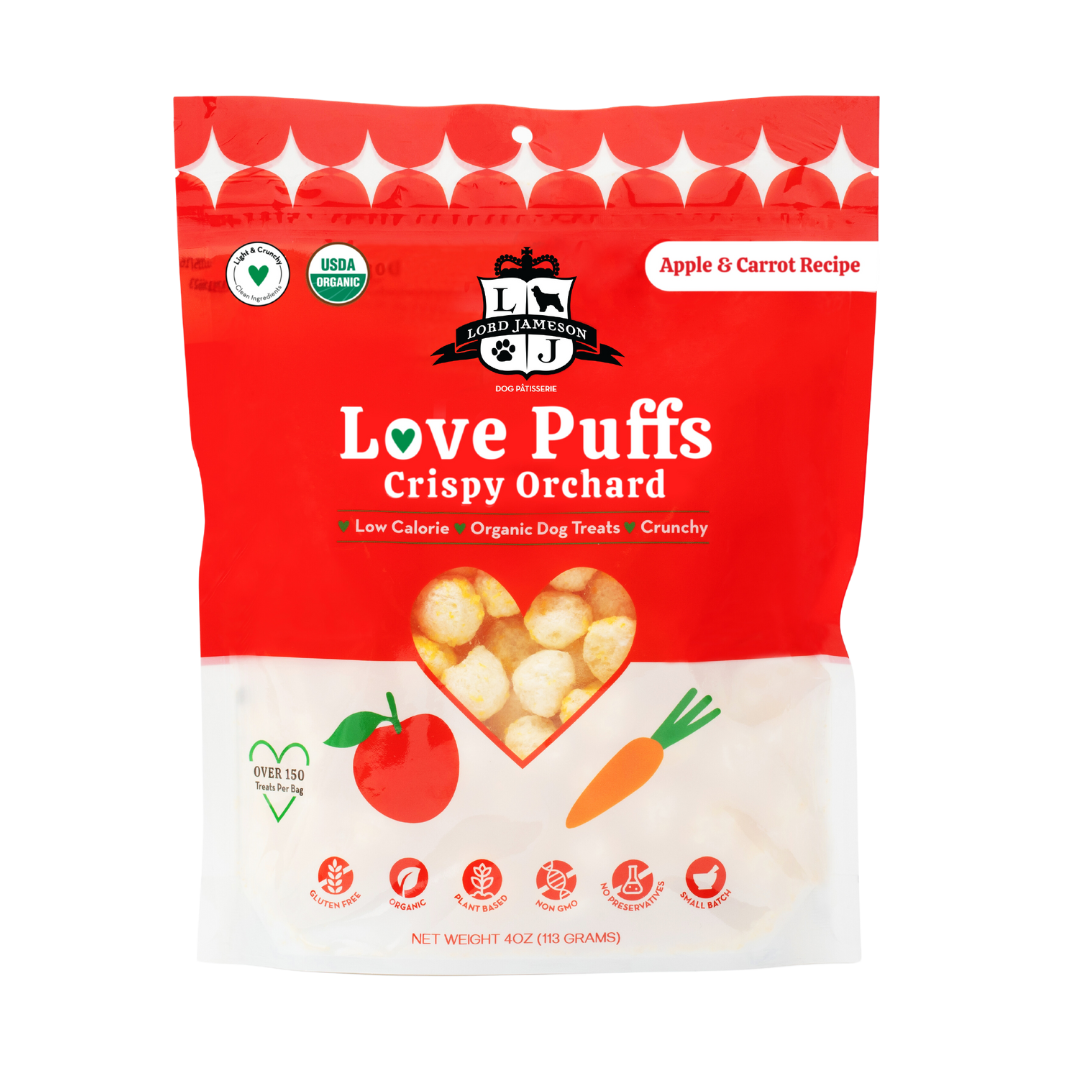
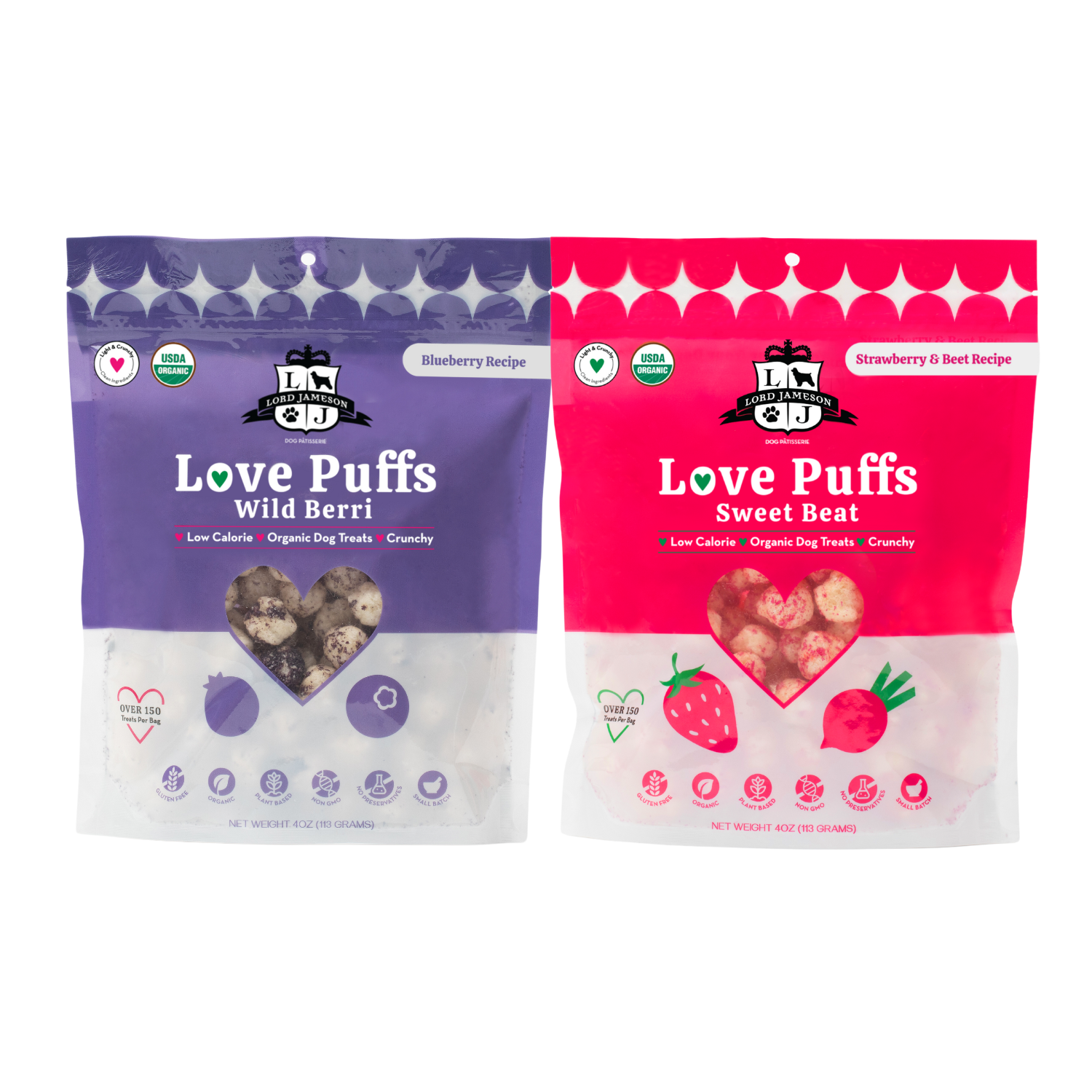
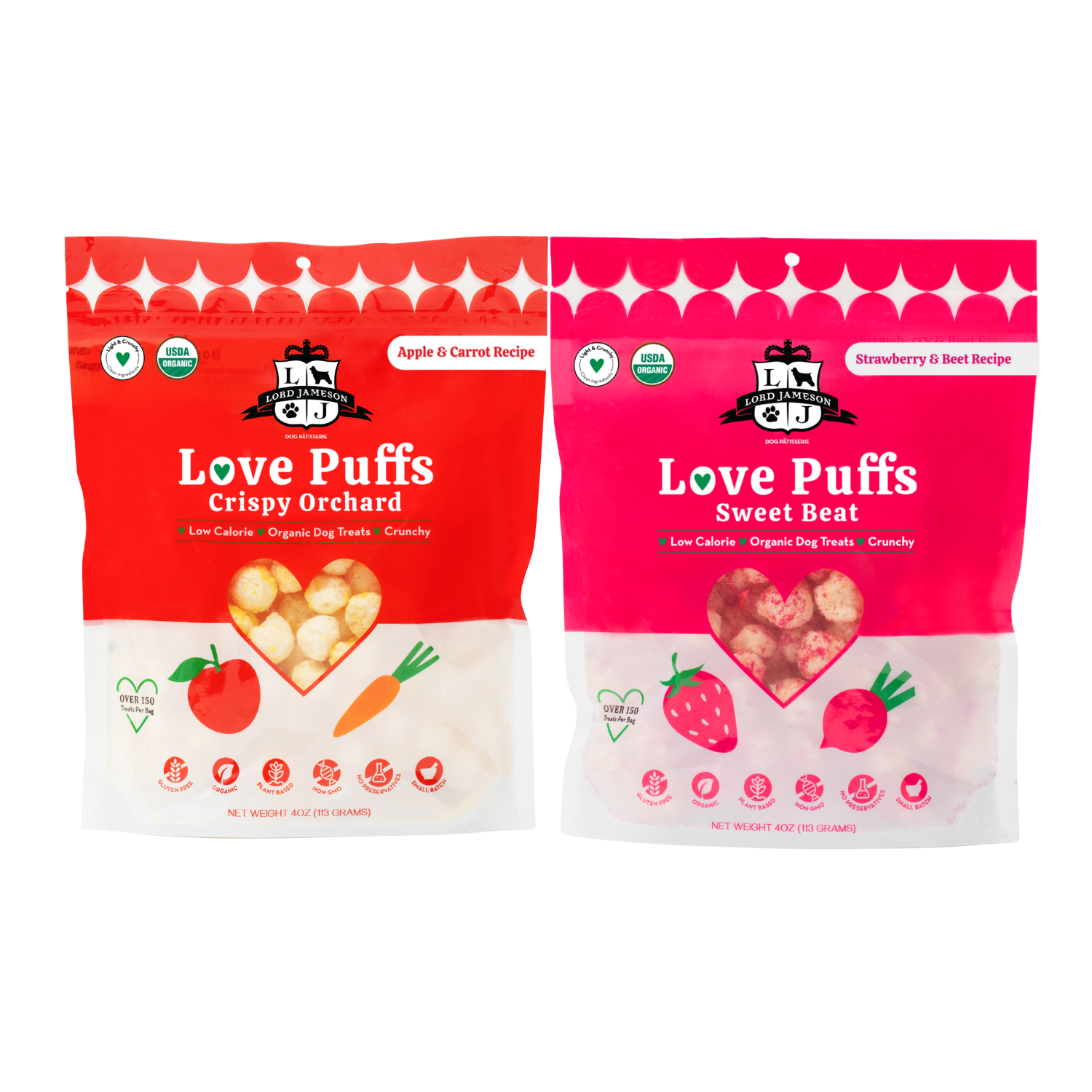
Shop LOVE PUFFS™ Full Collection Bundle
750+ Training Treats, Only 2.4 Calories Each
Separate Feeding Spaces: Your First Line of Defense
Providing each pup with their own space to eat is one of the simplest and most effective ways to maintain peace. It reduces the temptation to steal, lowers anxiety, and allows every dog to eat at their own pace.
-
Room Separation vs. Same Room Feeding
If space allows, feeding pets in separate rooms is the easiest option. When that’s not possible, you can still create “visual boundaries” in the same room by placing bowls far apart, behind baby gates, or on opposite sides of a barrier.
-
Using Crates for Controlled Feeding
Shop Now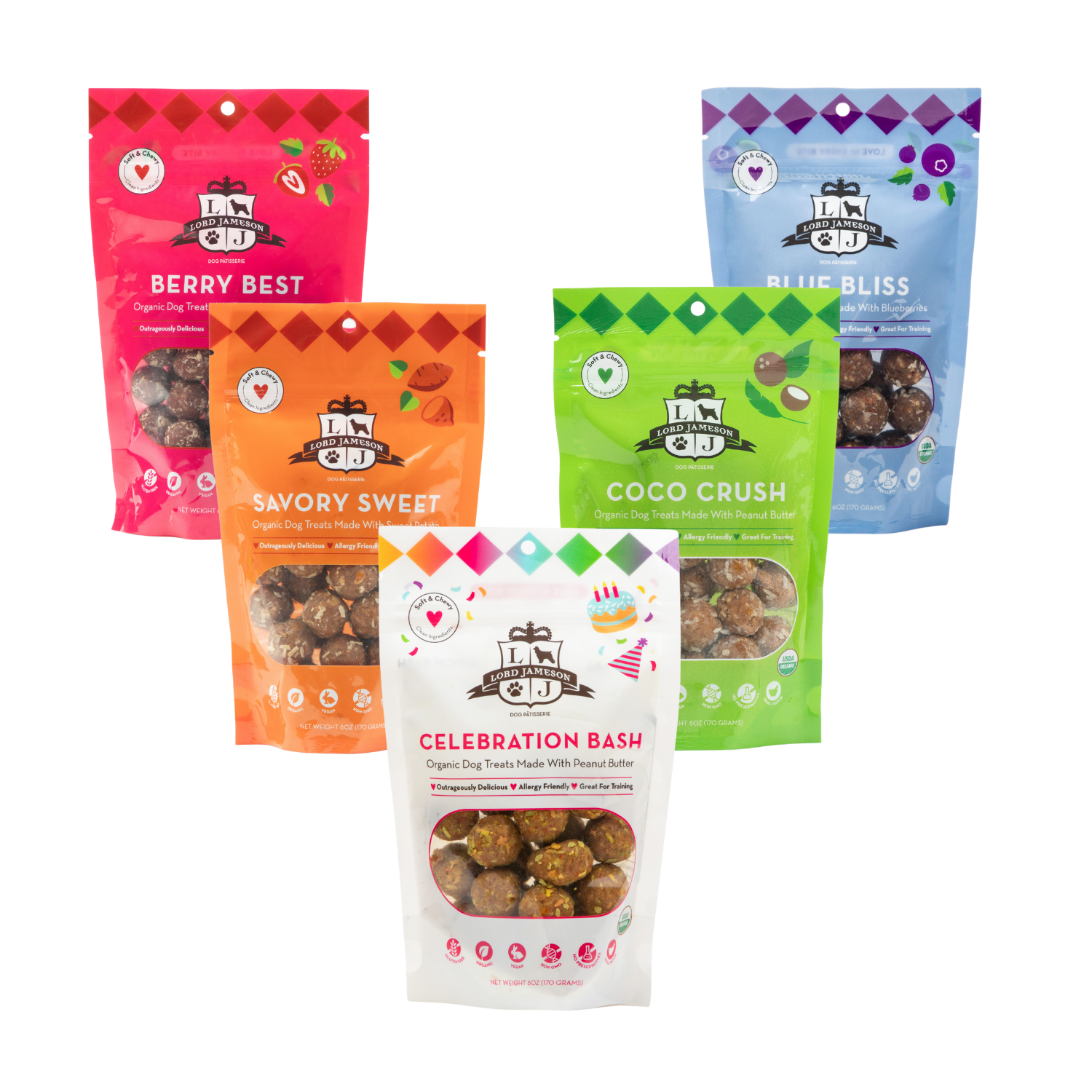
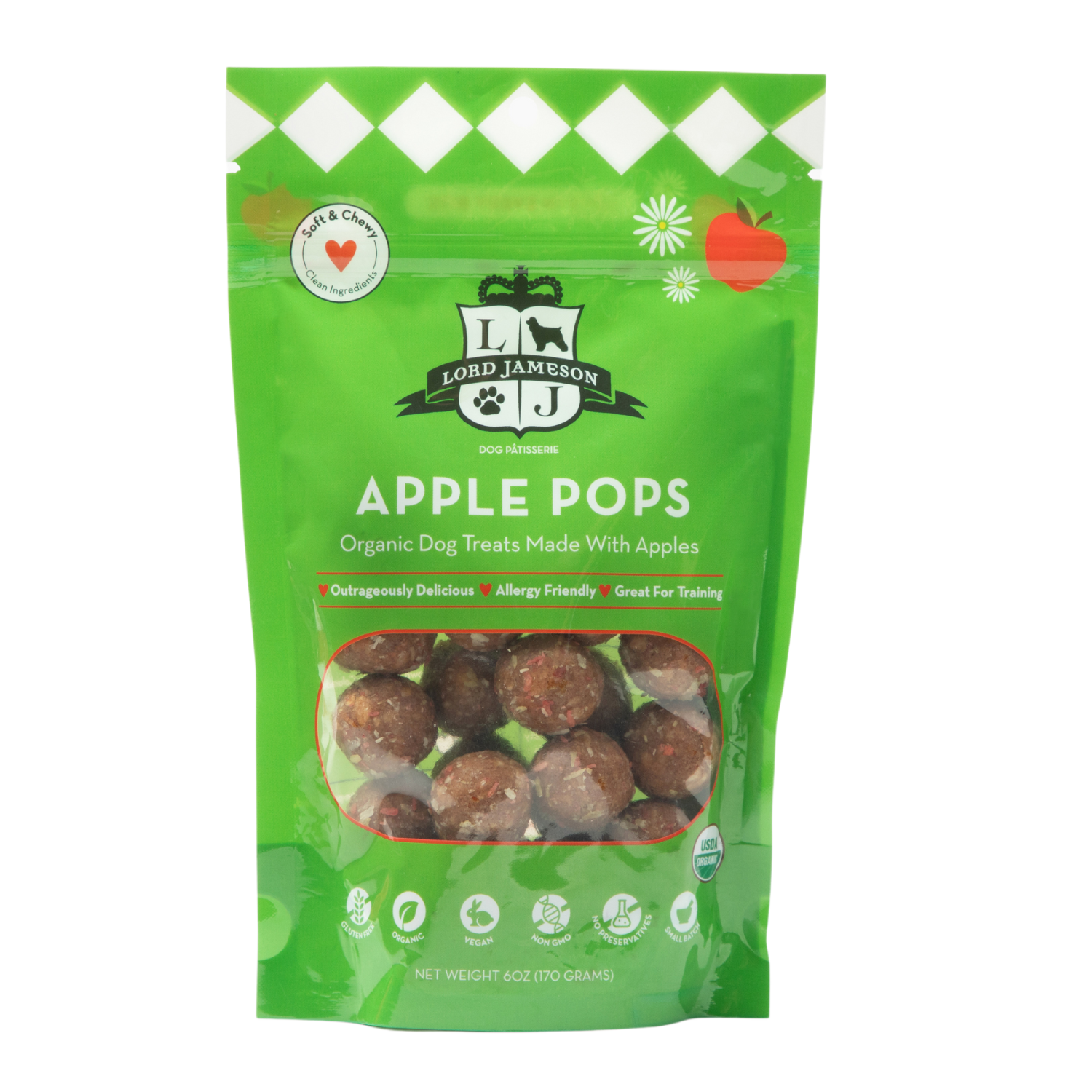
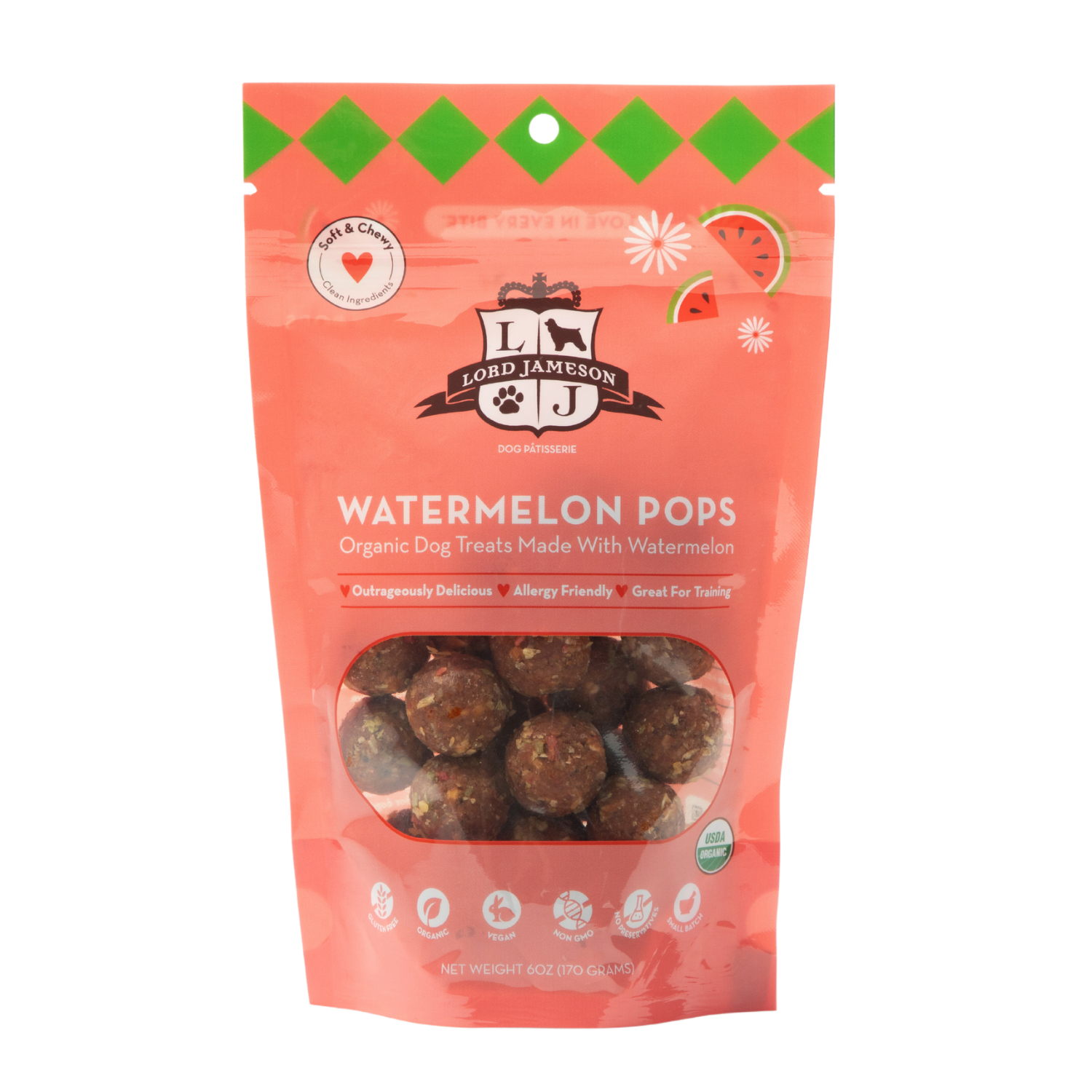
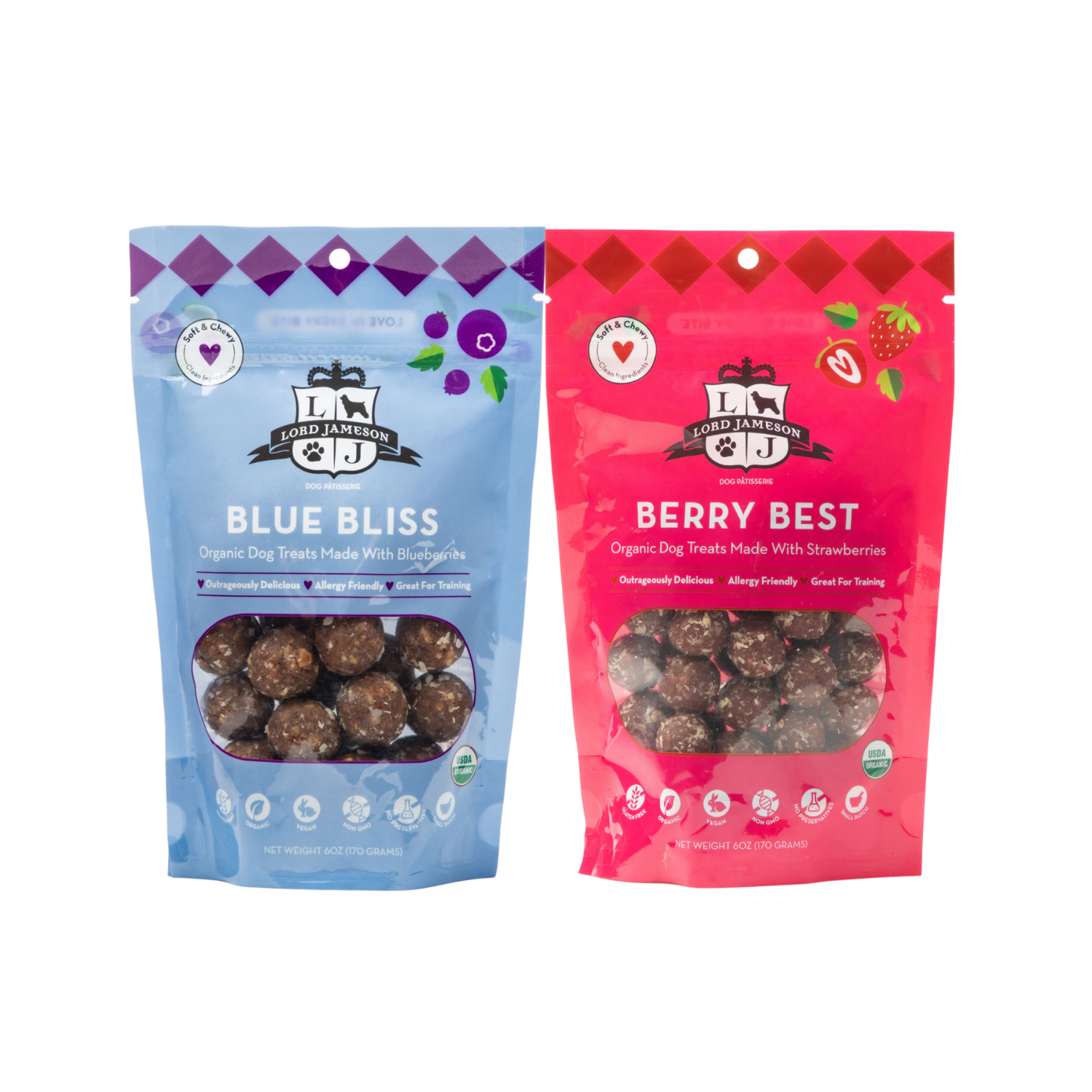
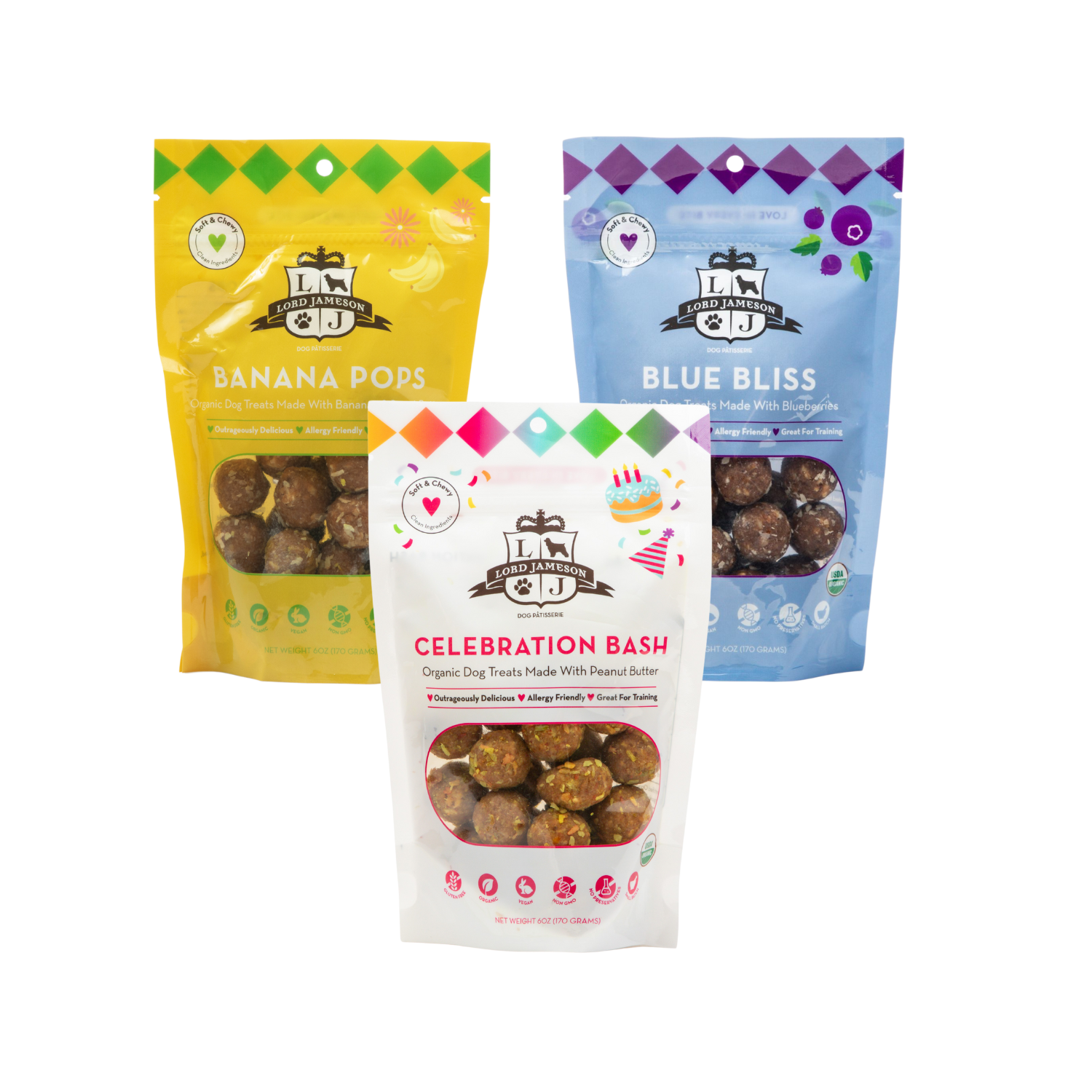
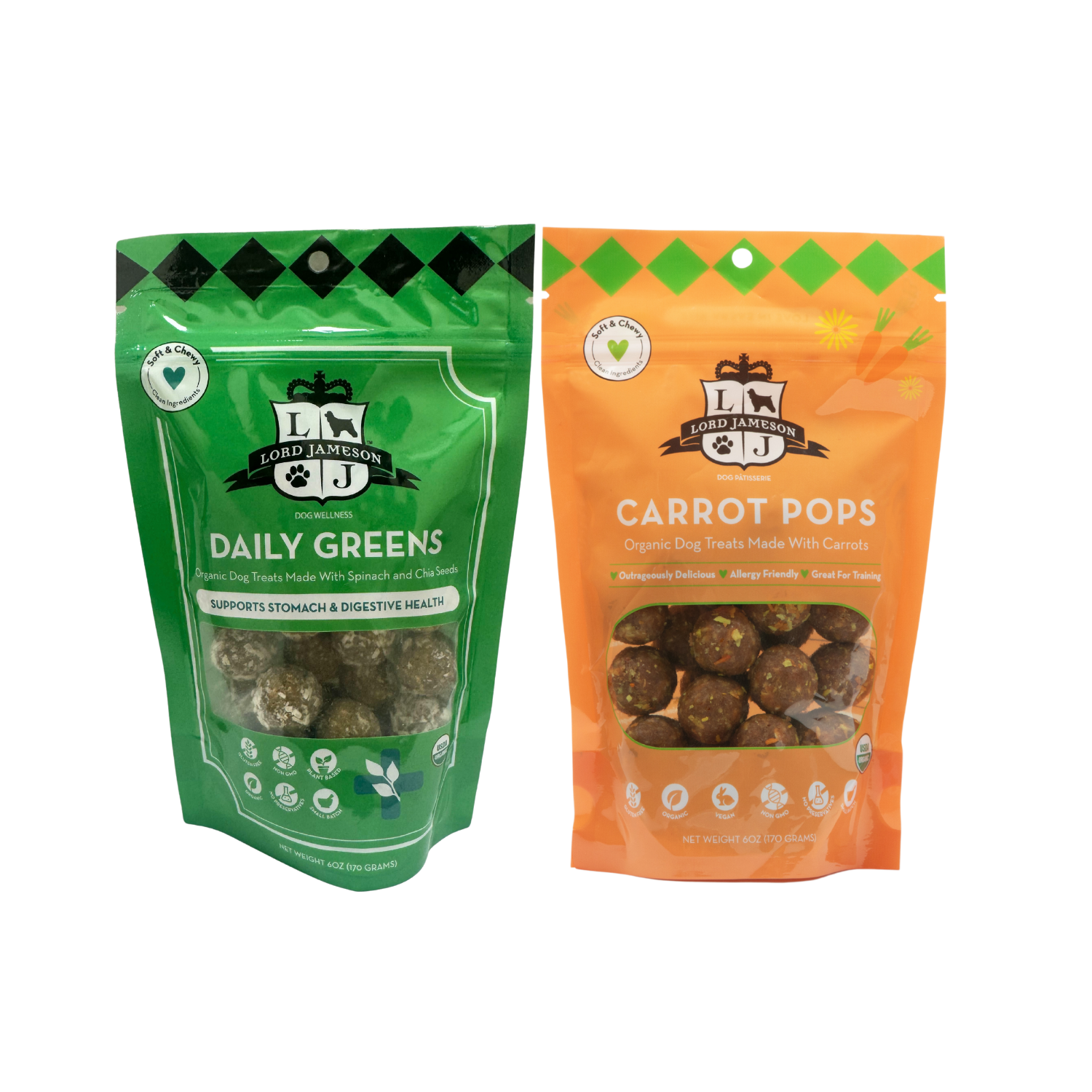
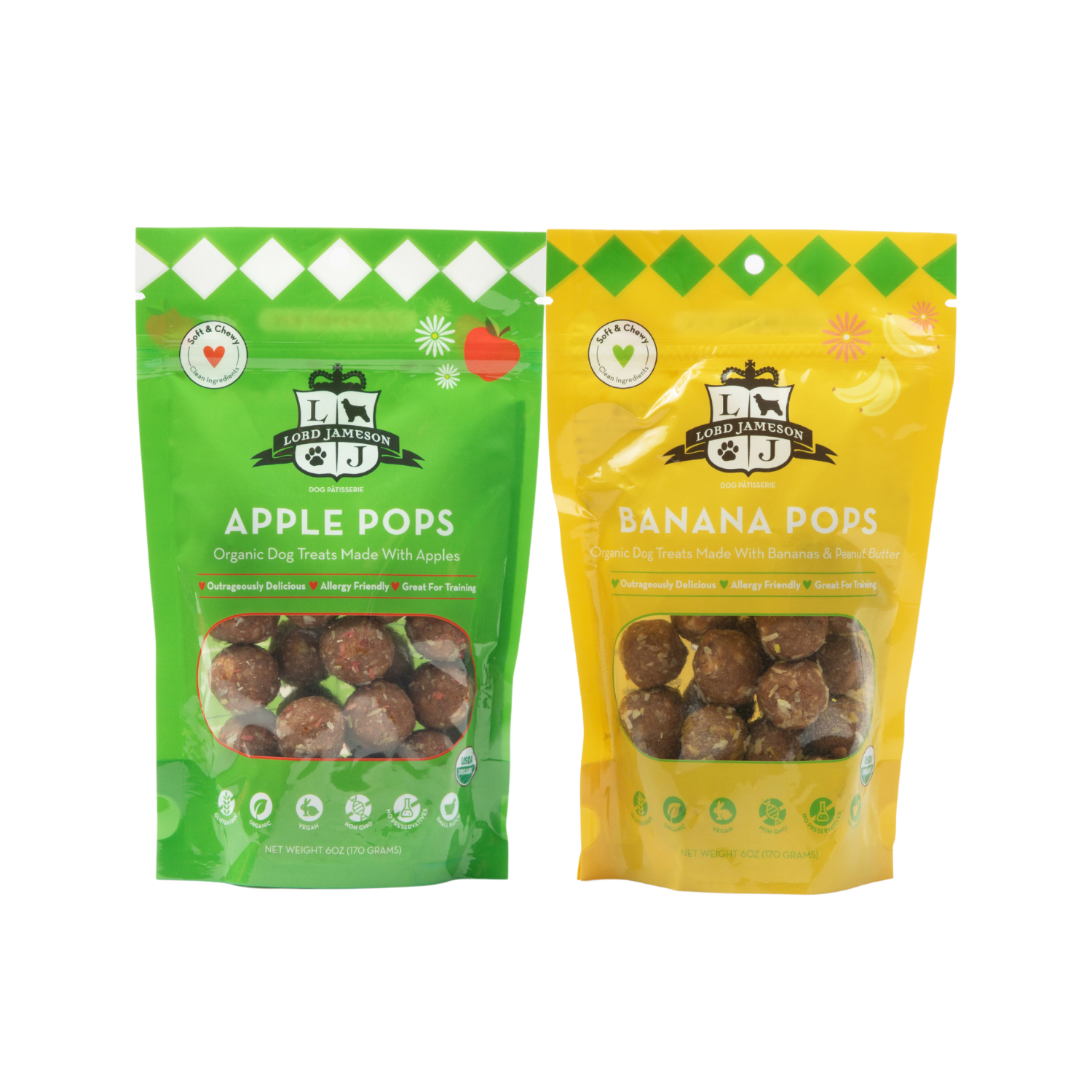
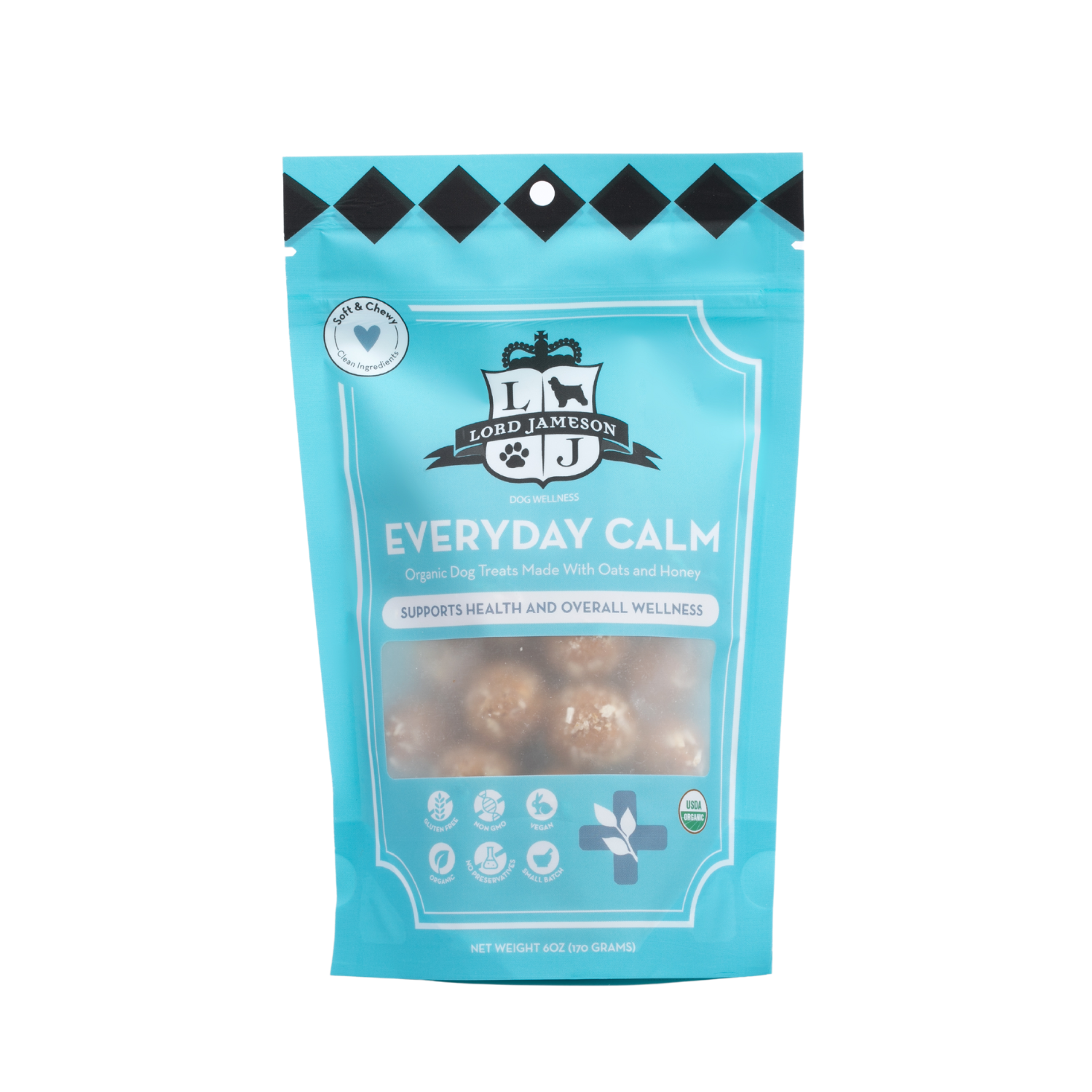
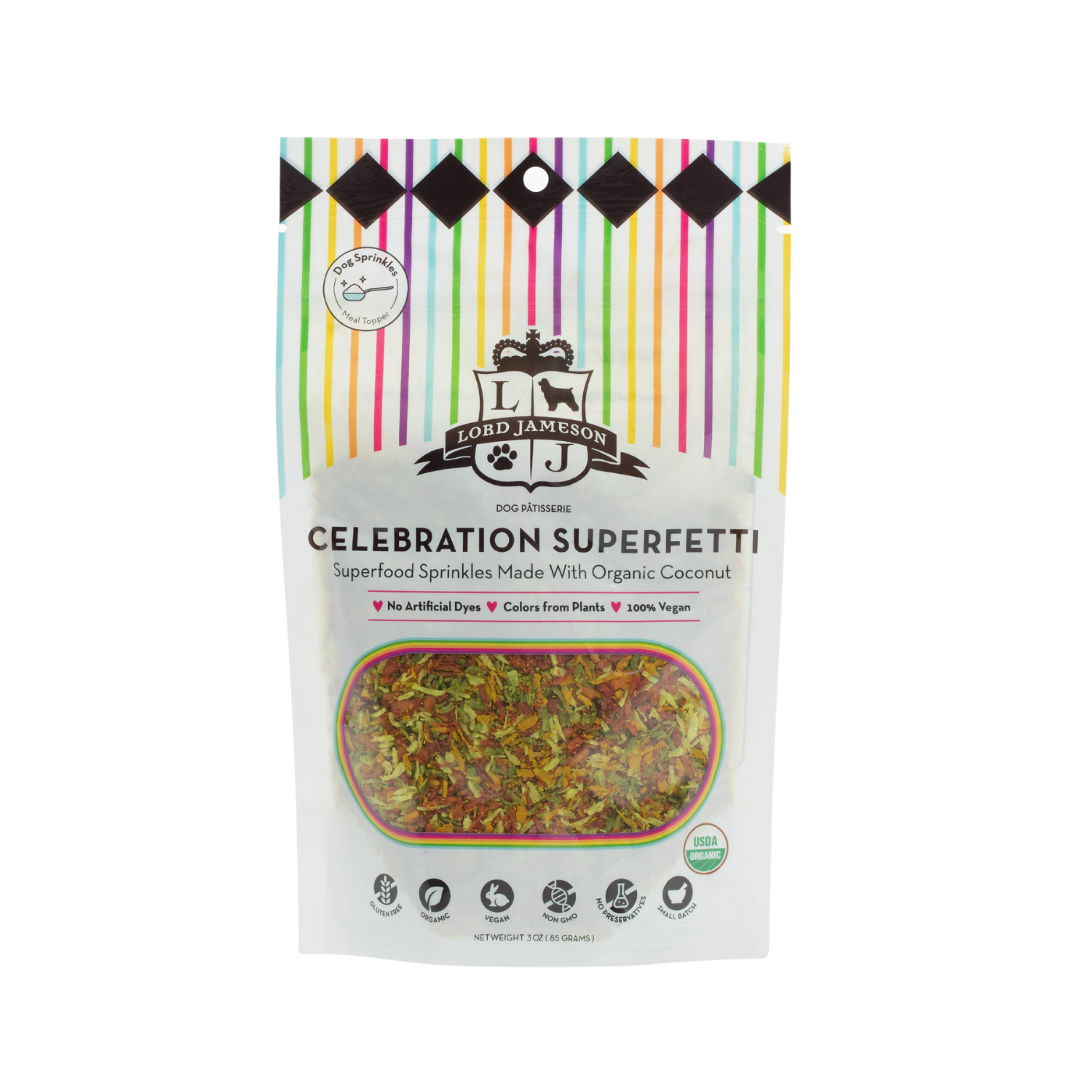
Everyday Collection Bundle
Complete Pack with 5 Flavors, Natural Colors Only
Crates aren’t just for training - they can be excellent tools for safe mealtimes. Feeding dogs in their crates gives them a secure, distraction-free space where they won’t feel pressured or rushed.
-
Creating Designated Feeding Stations
Consistency is key. Whether you use mats, corners of the room, or specific bowls, having assigned feeding stations helps your dogs quickly learn where to go and what to expect. Over time, this routine creates calm and predictability around mealtimes.
Establishing a Consistent Feeding Schedule
A structured schedule takes the guesswork out of mealtimes and helps prevent conflict. When dogs know exactly when to expect their food, it reduces anxiety, begging, and competition among them.
-
Why Free Feeding Fails in Multi-Dog Homes?
Leaving food out all day (free feeding) might work for a single dog, but in a multi-dog household, it often leads to overeating, weight issues, and constant tension over the shared food source. Scheduled meals ensure every pup gets their fair share.
-
Synchronized vs. Staggered Feeding Times
Some households thrive on synchronized meals—everyone eats at the same time in their own space. Others benefit from staggering mealtimes, especially if one dog eats much more slowly or needs extra supervision. Choose the rhythm that best reduces stress for your pack.
-
Building Routine for Predictable Behavior
Dogs love predictability. Feeding at the same time each day not only makes them feel secure but also helps regulate digestion and energy levels. Over time, your dogs will learn to wait calmly, knowing their meal is coming right on schedule.
Portion Control and Fair Distribution
Every dog in your home has unique dietary needs, and managing portions is crucial to maintaining harmony. From age and breed to activity level and health conditions, what works for one pup may not be right for another. Fair distribution helps ensure all your dogs stay healthy, satisfied, and stress-free.
-
Individual Dietary Needs Assessment
Begin by consulting your veterinarian to determine each dog’s specific caloric requirements and nutritional needs. Puppies, seniors, and dogs with medical conditions often need special diets. By tailoring portions, you’ll support their health while preventing overeating or malnourishment.
-
Preventing Food Stealing Between Dogs
Food stealing is one of the biggest sources of conflict. The solution? Use barriers, crates, or designated spots during meals to ensure every dog eats only its portion. For extra clever food thieves, consider feeding in separate rooms or using slow-feeder bowls with non-slip bases.
-
Managing Different Eating Speeds
Some dogs gobble down their food in seconds, while others take their time to eat. Fast eaters may finish quickly and try to steal from slower ones, creating stress. To manage this, feed slower dogs in a separate space or start them first, giving them the time they need without pressure.
Training Techniques for Stress-Free Mealtimes
Training is just as important as feeding logistics when managing a multi-dog household. Teaching your dogs to approach mealtime calmly can reduce tension, prevent food fights, and create a positive experience for everyone.
-
Teaching "Wait" and "Stay" Commands Before Feeding
Start each meal with structure. Ask your dogs to “wait” or “stay” while you prepare and place their bowls. This prevents rushing, pushing, or snapping at each other. Releasing them with a command like “okay” sets a clear boundary and reinforces patience.
-
Positive Reinforcement During Feeding Times
Reward good behavior, such as waiting quietly, eating from their own bowl, or staying calm, with praise or an extra healthy treat afterward. Over time, your pets will associate calm mealtimes with positive outcomes, making fights less likely to occur.
-
Addressing Existing Food Aggression Issues
If food aggression is already present, don’t ignore it. Start by separating dogs during meals and gradually reintroduce them with controlled, supervised feeding sessions. Work with a professional trainer or behaviorist if aggression is severe, as they can provide tailored strategies to retrain and build trust.
Choosing the Right Foods and Treats for Multiple Dogs
Feeding multiple dogs isn’t just about quantity; it’s about fairness, safety, and making sure every pup gets what they need without sparking competition. The right foods and treats can make mealtimes smoother and even turn them into moments of bonding and training.
Selecting Safe, Shareable Options
-
Why Organic Treats Matter in Multi-Dog Homes?
With more than one dog in the house, you’ll want treats that are clean, safe, and suitable for different dietary needs. Organic treats reduce exposure to artificial additives, allergens, and fillers, giving you peace of mind that you’re supporting each dog’s health.
-
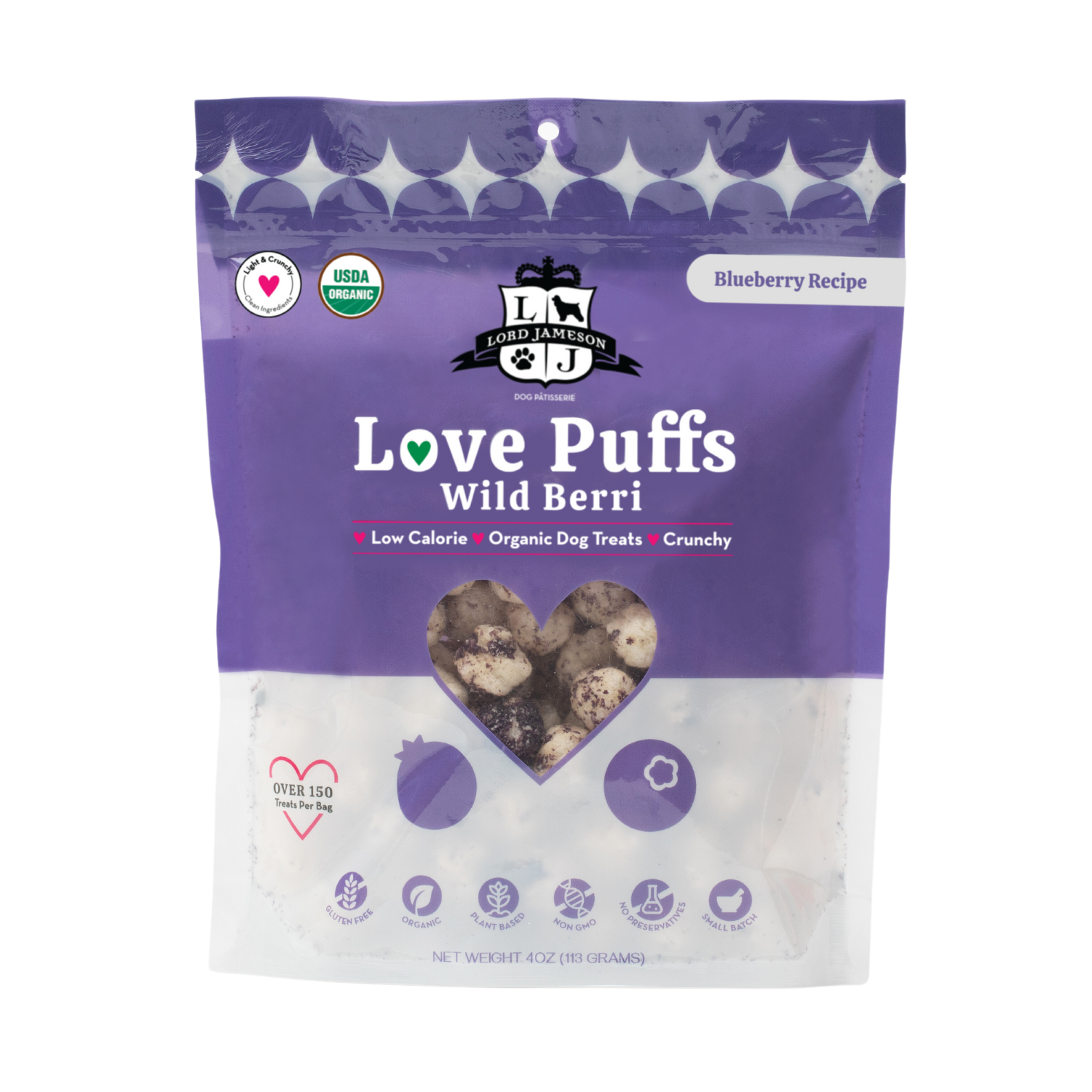
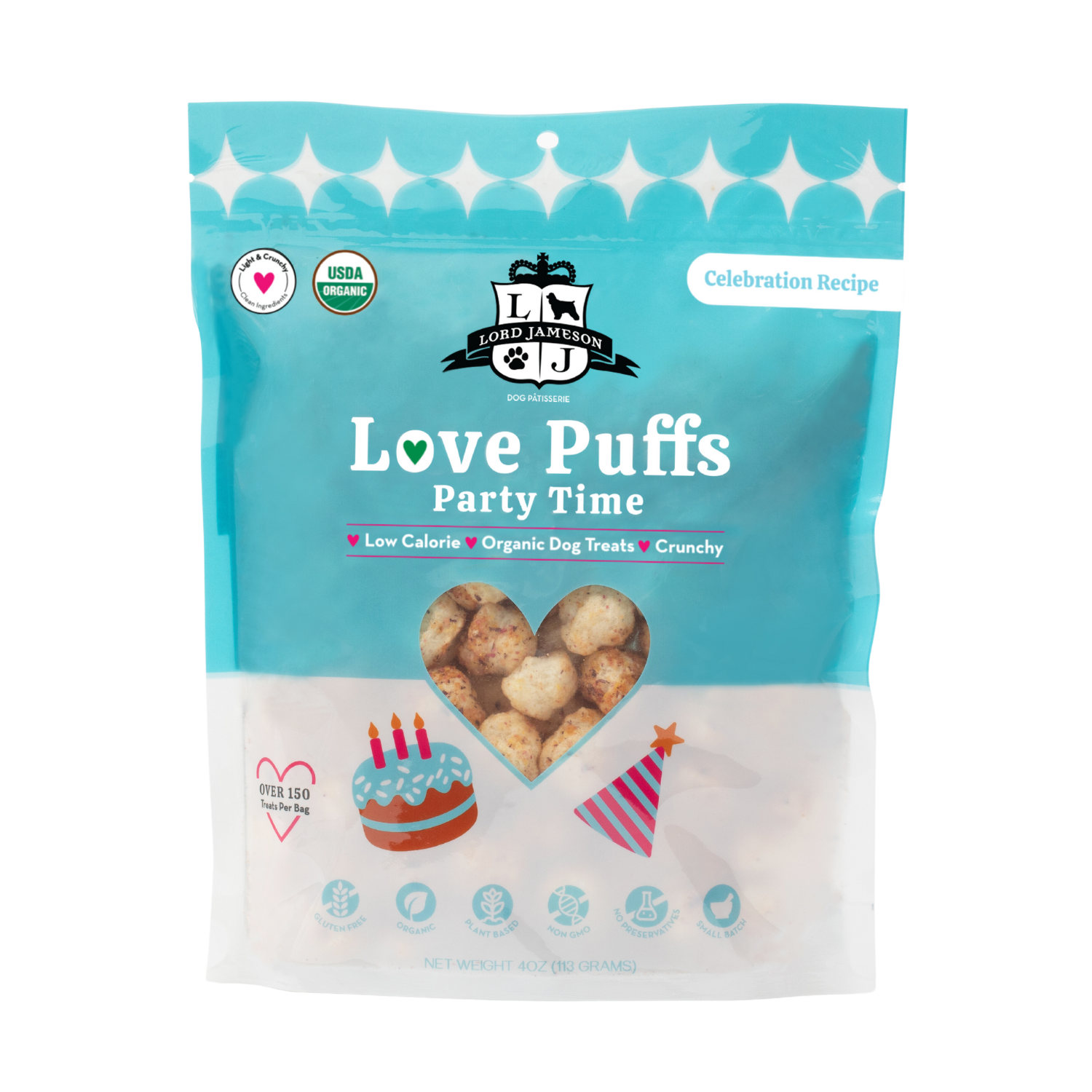
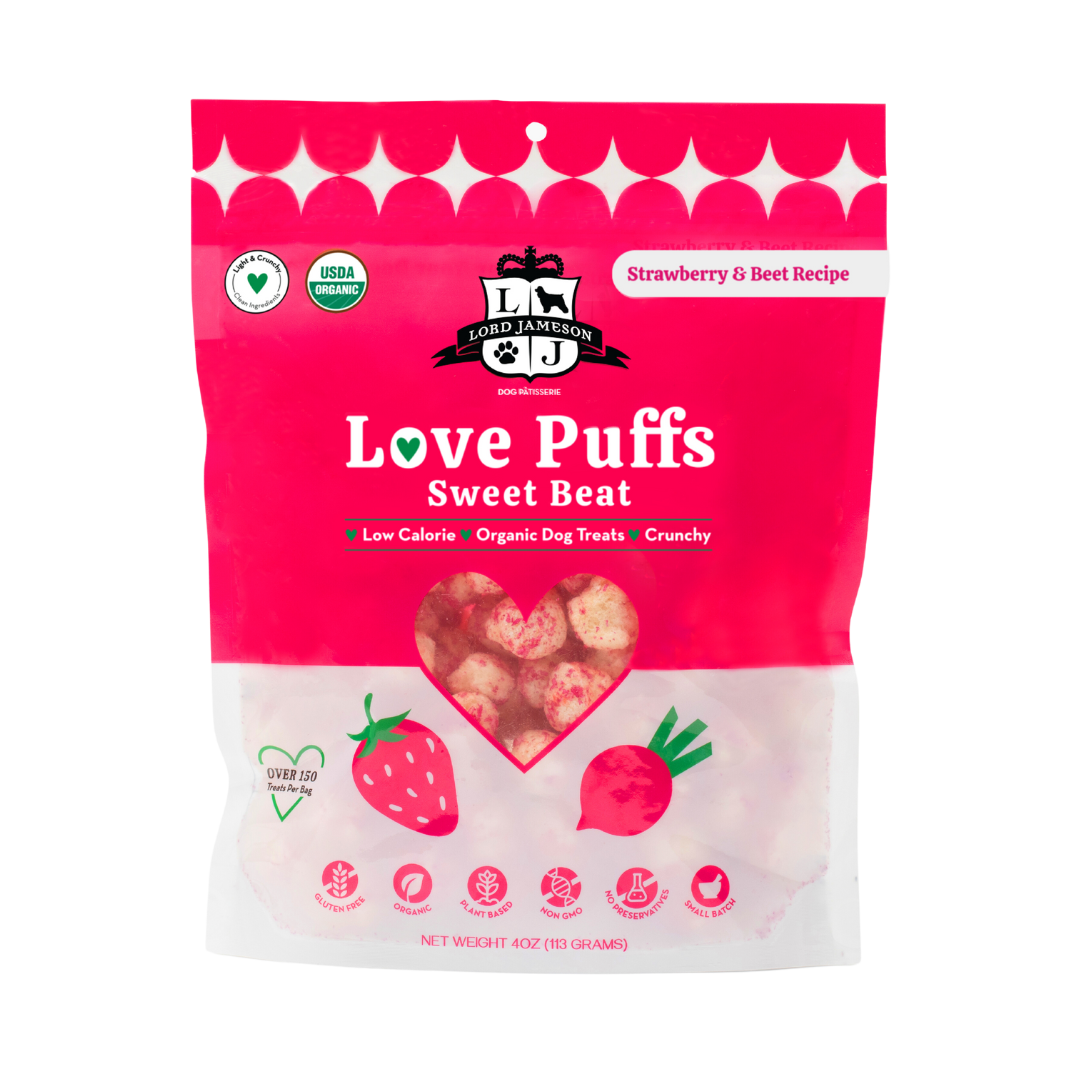
LORD JAMESON®'s LOVE PUFFS™: Perfect for Multi-Dog Training (150+ Treats Per Bag)
LOVE PUFFS™ are bite-sized, low-sugar, and USDA Certified Organic, making them perfect for group training sessions or rewarding good behavior across the pack. With over 150 treats in every bag, you’ll have plenty to go around without worrying about running out too quickly.
-
Avoiding Ingredients That Trigger Competition
Some strong-smelling or greasy foods can spark competition or even aggression. Stick to light, plant-based, and neutral-smelling options that all your dogs enjoy without causing tension.
Treat Distribution Strategies
-
Equal Portions to Prevent Jealousy
Furry friends notice if one gets more than the other. To prevent jealousy and competition, always give equal portions during training or treat times. Consistency builds trust between your dogs.
-
Using High-Value Treats for Training Cooperation
Save extra-delicious treats for moments when you’re training cooperation, like sitting together calmly or waiting patiently before eating. This helps reinforce good manners while maintaining a positive atmosphere.
-
Safe Treat Storage in Multi-Dog Households
Curious noses and paws are quick to find unsealed treat bags. Always store treats in airtight containers and keep them out of reach of children and pets. This prevents sneaky thefts and keeps peace in the pack.
Special Feeding Situations and Solutions

Puppies and Adult Dogs Together
-
Different Nutritional Needs Management
Puppies require higher protein and calories, while adult dogs thrive on balanced maintenance diets; feed them separately to meet both needs.
-
Protecting Puppy Food from Adult Dogs
Adult dogs may steal calorie-rich puppy food; use barriers, raised feeders, or separate rooms to prevent this.
-
Supervised Feeding Protocols
Always monitor mealtimes to ensure puppies aren’t bullied away from their bowls and everyone eats peacefully.
Dogs of Different Sizes and Breeds
-
Size-Appropriate Portion Control
Small dogs require smaller, more frequent meals; large breeds need controlled portions to avoid weight gain or bloating.
-
Accommodating Different Eating Styles
Fast eaters may need slow-feed bowls, while grazers benefit from scheduled access to prevent overeating.
-
Managing Food-Motivated vs. Disinterested Eaters
Food-driven dogs should be given structured meals, while picky eaters may need encouragement, variety, or puzzle feeders.
Creating Long-Term Harmony in Multi-Dog Households
-
Gradual Integration of New Dogs at Feeding Time
When introducing a new dog, don’t rush shared mealtimes. Start by feeding separately, then gradually bring bowls closer together over time. This slow integration helps prevent resource guarding and builds trust among all dogs.
-
Monitoring and Adjusting Your Feeding System
No two multi-dog households are alike. Regularly observe body language, eating speeds, and overall comfort. If tension arises, adjust feeding locations, schedules, or portion sizes to restore balance.
-
When to Seek Professional Help
If food aggression persists or escalates, it’s time to consult a veterinarian or certified dog behaviorist. Professional guidance ensures safety and helps create a structured plan for long-term harmony and stability.
LORD JAMESON®'s Multi-Dog Feeding Solutions
-
Organic Treat Options Perfect for Sharing
Choose organic, allergen-free treats that are safe for all your dogs, reducing the risk of sensitivities while keeping snack time enjoyable for everyone.
-
LOVE PUFFS™: Value-Packed Training Rewards for Multiple Dogs
With over 150 treats per bag, LOVE PUFFS™ offer an affordable way to reward multiple dogs during training without running out quickly.
-
Building Positive Associations with Healthy Treats
Use healthy, organic treats to reward calm behavior around mealtimes and reinforce cooperation between dogs.
Common Multi-Dog Feeding Mistakes to Avoid
-
Assuming All Dogs Have the Same Needs
Each dog has unique dietary requirements - age, size, and health should guide meal planning.
-
Inconsistent Rules and Boundaries
If the rules change, confusion ensues. Consistency in feeding locations and routines prevents conflict.
-
Ignoring Early Warning Signs of Food Stress
Growling, stiff posture, or hovering near bowls are early signs of stress that need to be addressed before they escalate.
FAQs
1. Should I feed my multiple dogs at the same time or separately?
Feed separately at first. Once calm behavior is established, you can explore synchronized feeding if it feels safe and comfortable.
2. How do I stop my dogs from stealing each other's food?
Use barriers, crates, or supervised feeding to prevent food theft and ensure each dog eats their portion.
3. Can I use the same treats for training multiple dogs?
Yes! Organic, shareable treats like LORD JAMESON®’s are safe and easy to divide fairly.
4. What should I do if one of my dogs shows food aggression?
Pause shared mealtimes and consult a vet or behaviorist for guidance on safe feeding strategies.
5. How do I manage feeding dogs of different sizes and dietary needs?
Adjust portion sizes, meal times, and treat types to match each dog’s nutritional needs while maintaining consistent feeding routines.


